
Aluminium vs uPVC Windows for South-Facing Homes: Heat & Glare Control Explained
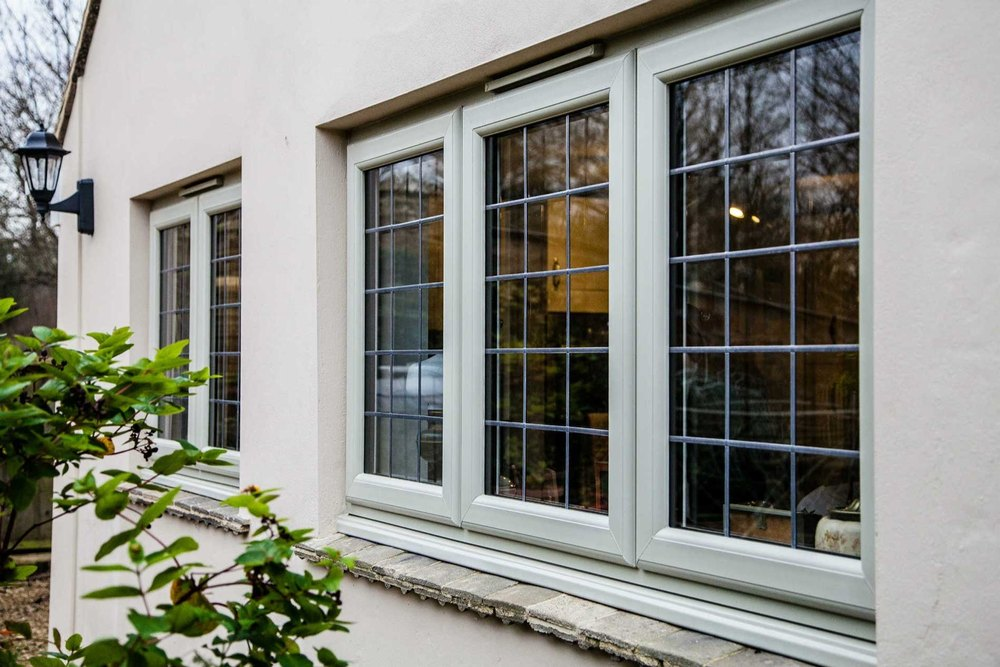
South-facing homes are filled with natural light for most of the day. While this creates bright, welcoming interiors, it also brings challenges. Excess heat, strong glare, and higher cooling requirements can affect comfort if the right windows are not in place.
Choosing between aluminium vs uPVC windows becomes especially important in such homes. Both materials offer distinct advantages, but their performance varies depending on how they handle heat, glare, and long-term efficiency.
Why South-Facing Windows Need Special Attention
In regions with strong sunlight, south-facing windows receive consistent exposure throughout the day. This leads to higher solar heat gain, which can increase indoor temperatures and put more load on air conditioning systems.
Glare is another concern. Direct sunlight can make spaces uncomfortable, especially in living rooms, workspaces, or bedrooms where balanced lighting is important.
The right windows can help manage both heat and glare while still allowing natural light to enhance the space.
Understanding Heat Control in Windows
Heat enters through windows primarily via solar radiation. The goal of heat control windows is to reduce this transfer without blocking natural light completely.
This is achieved through a combination of frame material, glass type, and sealing performance. While both uPVCand aluminium frames can support high-performance glass, their thermal properties differ.
Aluminium Windows and Heat Performance
Aluminium is strong, sleek, and ideal for large openings. It allows for slim frames and expansive glass panels, making it a popular choice for modern homes.
However, aluminium is a conductor of heat. This means that without proper engineering, it can transfer outdoor heat into indoor spaces. To counter this, modern aluminium windows use thermal break technology. This involves inserting a non-conductive barrier within the frame to reduce heat transfer.
When paired with double glazing or specialised glass, aluminium windows can perform efficiently even in south-facing applications. Their ability to support larger glass panels also means better control over light distribution when combined with the right glazing.
uPVC Windows and Insulation Advantage
uPVC is naturally a poor conductor of heat, which makes it an excellent insulator. This inherent property helps reduce heat transfer, keeping interiors cooler during hot days.
For homeowners focused on energy efficient windows, uPVC offers strong performance without requiring additional thermal break systems. It helps maintain indoor temperatures more effectively, especially in climates with intense sunlight.
uPVC frames are also effective at sealing, which prevents hot air from entering and cool air from escaping. This contributes to overall energy savings over time.
Glare Reduction and Comfort
Glare is not just about brightness. It affects how comfortable a space feels and how usable it is throughout the day.
Both aluminium and uPVC windows rely heavily on glass solutions for glare reduction windows. Options like tinted glass, low emissivity coatings, or reflective glazing can significantly reduce glare while maintaining visibility.
Aluminium windows, with their slim profiles, allow for larger glass surfaces. This can increase light intake but also requires careful selection of glazing to manage glare effectively.
uPVC windows, with slightly thicker frames, may reduce glass area marginally, which can help in naturally limiting excessive light while still maintaining brightness.
The key is to balance frame choice with the right glazing strategy.
Energy Efficiency Over Time
Energy efficiency is a major factor for south-facing homes. Windows that reduce heat gain can lower cooling costs and improve indoor comfort.
uPVC windows have an advantage due to their insulating properties. They help maintain consistent indoor temperatures with less reliance on external cooling.
Aluminium windows, when equipped with thermal breaks and high-performance glass, can also achieve strong energy efficiency. The difference lies in the level of engineering and system quality.
In both cases, proper installation and sealing are crucial to achieving the desired performance.
Durability and Long-Term Performance
While heat and glare control are important, durability cannot be overlooked.
Aluminium windows are known for their strength and ability to handle large spans without compromising stability. They are resistant to weather conditions and maintain their structure over time.
uPVC windows are durable as well, especially in terms of resistance to moisture and corrosion. However, for very large openings or high-wind areas, aluminium may offer better structural support.
For south-facing homes that often feature large openings to maximise light, aluminium can provide added confidence in terms of strength.
Aesthetic Considerations
Design plays a key role in modern homes. Aluminium windows offer a sleek, minimal look with slim frames that enhance views and create a contemporary feel.
uPVC windows provide a more classic aesthetic, with clean lines and a variety of finishes that can complement different architectural styles.
For homeowners prioritising expansive views and modern design, aluminium often becomes the preferred choice. For those focused on insulation and practicality, uPVC remains a strong contender.
Making the Right Choice for Your Home
When comparing aluminium vs uPVC windows for south-facing windows, there is no one-size-fits-all answer. The decision depends on your priorities.
If your focus is on maximum insulation and energy efficiency with minimal engineering complexity, uPVC windows are a reliable option.
If you are looking for large openings, sleek design, and high structural strength, aluminium windows can deliver excellent performance when combined with thermal breaks and the right glass.
In both cases, the role of glazing is critical. Heat control windows and glare reduction windows are not defined by frame material alone. The complete system, including glass and installation, determines how well the window performs.
A Balanced Approach to Comfort and Design
South-facing homes offer the advantage of abundant natural light. With the right windows, this can be transformed into a comfortable and energy-efficient living experience.
By understanding how aluminium and uPVC perform in terms of heat control, glare reduction, and durability, homeowners can make choices that suit both their lifestyle and environment.
At Window Magic, both aluminium and uPVC window systems are designed to address these exact challenges. With a focus on performance, precision, and long-term comfort, they offer solutions that help homes stay bright without the discomfort of excess heat and glare.