
Soundproofing Your Home: Are Aluminium or uPVC Windows More Effective?
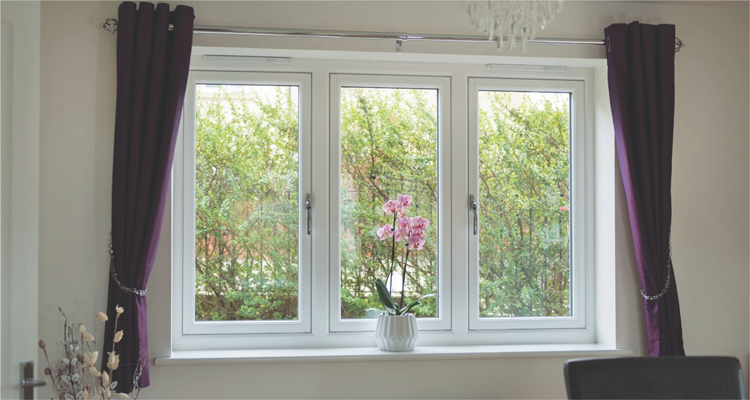
Noise has quietly become one of the biggest irritants in modern homes. Traffic, construction, neighbourhood activity, and city life in general can easily disturb sleep, work, and everyday comfort. That is why more homeowners today are actively looking for soundproof windows that can help restore peace indoors.
When it comes to choosing the right windows, one question comes up again and again. Are aluminium windows better for soundproofing, or do uPVC windows perform better? The answer is not as straightforward as one material being good and the other bad. Soundproofing depends on a combination of design, glass, sealing, and installation, with the frame material playing an important but supporting role.
How sound enters your home
To understand which window works better, it helps to first understand how noise actually gets inside. Sound travels through air gaps, weak seals, and vibrating surfaces. Windows that reduce noise effectively are designed to block these pathways. This is done by using tightly sealed frames, specialised glass, and precision installation.
Most people are surprised to learn that glass plays a larger role in noise reduction than the frame itself. Double-glazed, triple-glazed, or laminated glass can dramatically cut down outside noise. That said, the frame still matters because it holds the glass in place, prevents vibration, and maintains airtight sealing over time.
uPVC windows and sound insulation
uPVC windows are widely used in residential homes, especially in cities, because they offer good insulation at a practical price point. One of the key reasons uPVC performs well for soundproofing is its internal structure. uPVC frames are built with multiple chambers inside, which help absorb sound and reduce vibration.
This design makes soundproof uPVC windows particularly effective in blocking everyday urban noise such as traffic or nearby activity. When combined with double or laminated glass, they can noticeably reduce the amount of sound entering a room, making indoor spaces calmer and more comfortable.
Another strength of uPVC windows is their sealing system. Well-made uPVC windows close tightly and leave very little room for air gaps. Since sound often travels through even the smallest openings, strong seals are essential for consistent noise reduction.
For many homeowners, uPVC windows strike a good balance between performance and affordability. They are low maintenance, energy efficient, and suitable for bedrooms, study areas, and homes located in moderately noisy environments. Over time, seals may need attention, but with proper installation and care, uPVC remains a reliable option for soundproof windows for homes.
Also Read: Advantages & Qualities of uPVC
Aluminium windows and noise reduction
Aluminium windows are often chosen for their modern appearance, slim frames, and ability to support large glass panels. In the past, aluminium was seen as less effective for insulation, but modern window technology has changed that significantly.
Today, soundproof aluminium windows are designed with advanced sealing systems and thermal breaks that reduce both heat and sound transfer. When paired with laminated or acoustic glass, aluminium windows can perform extremely well in noisy surroundings.
One of aluminium’s biggest advantages is its strength. The rigidity of the material helps reduce frame movement and vibration, which are common ways sound enters a space. This makes aluminium a strong choice for large openings, sliding doors, and floor-to-ceiling windows where stability is important.
Aluminium windows also tend to hold their shape and performance over a long period of time. Their durability helps maintain tight sealing, which is critical for long-term noise reduction. While aluminium systems usually come at a higher initial cost, they often appeal to homeowners who want both sound control and contemporary design.
What matters more than the material
While aluminium and uPVC have their own strengths, the most important factor in soundproofing is the overall window system. High-quality glass, especially laminated or acoustic glass, has the biggest impact on how much noise is reduced. Proper installation is just as important. Even the best windows will not perform well if there are gaps or poor sealing.
In many cases, a well-designed aluminium window with acoustic glass can outperform a basic uPVC window, and a high-quality uPVC system can outperform poorly specified aluminium windows. This is why choosing the right configuration matters more than choosing a material in isolation.
Also Read: uPVC Windows and Doors Design for Educational Institutions
Choosing the right solution for your home
If your home is located on a busy road or in a dense residential area and your main goal is reducing everyday noise, uPVC windows often provide excellent results at a practical cost. If your home requires large openings, modern aesthetics, or faces very high noise levels, aluminium windows with acoustic glazing can deliver strong noise reduction while maintaining visual appeal.
Ultimately, soundproof windows work best when they are tailored to the environment they are used in. Factors like surrounding noise levels, room function, window size, and glass selection all play a role in the final outcome.
A quiet home starts with the right system
Soundproofing is not just about blocking noise. It is about improving daily comfort, sleep quality, and overall well-being. This is why system quality and expert installation are so important.
Brands like Window Magic focus on designing complete window systems where frame, glass, sealing, and installation work together. Whether it is uPVC or aluminium, the right combination can transform a noisy space into a peaceful one.
Final thoughts
There is no single answer to whether aluminium or uPVC windows are more effective for soundproofing. Both can deliver excellent results when designed correctly and installed well. Instead of focusing only on the material, homeowners should prioritise glass quality, sealing performance, and professional execution.
When chosen thoughtfully, soundproof windows can make a noticeable difference in how a home feels, sounds, and functions every day.