
Maintenance Costs Compared: Aluminium Doors vs uPVC Doors Over 10 Years
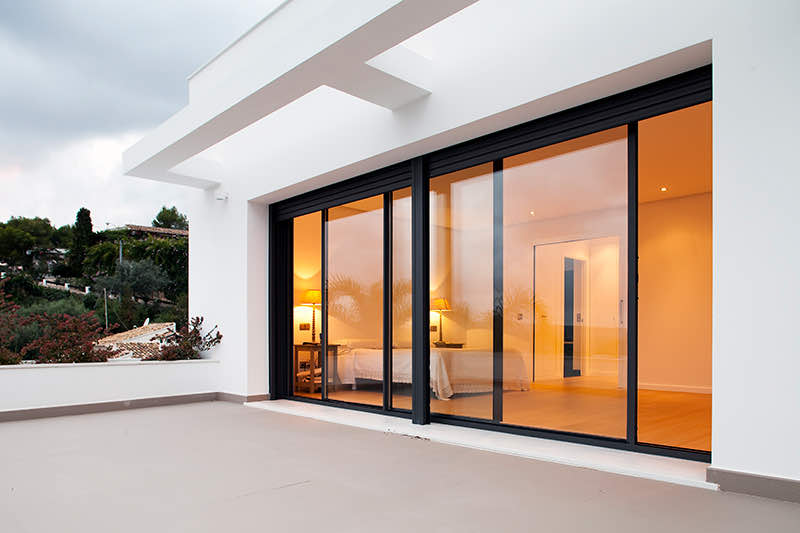
When you choose a door for your home you are making a long term decision. Front doors and patio doors are not just about looks. They protect your home from weather, keep your family safe and influence comfort and energy bills every day. With popular materials like aluminium and uPVC, the debate often comes down to aluminium vs uPVC doors, not just in terms of upfront price but over a decade of use.
To help you decide wisely, let’s look at how maintenance costs typically stack up over 10 years for these two common options.
Upfront Cost Differences
Before we talk about maintenance it helps to understand where the initial costs stand. uPVC doors are usually less expensive at the time of purchase compared with high quality aluminium doors. uPVC is a plastic-based material that is cheaper to manufacture and install, making it attractive if you are mindful of budget at the start. Aluminium, because it is a metal with higher strength and finishing costs, tends to be pricier upfront.
That difference in upfront price forms the starting point for any long term cost comparison.
Basic Cleaning and Daily Upkeep
For everyday maintenance both materials are relatively easy to care for, but there are subtle differences.
uPVC doors generally require very little beyond a regular wipe down with a mild soap solution to stay clean and functional. They do not rust or corrode and there is no need for repainting. This minimal care keeps your daily maintenance cost quite low, and over ten years you can expect to spend only a small amount on cleaning supplies and an occasional check on seals and rollers.
Aluminium doors are also low maintenance. They resist rust and most weather damage very well, and a simple wipe with soapy water usually keeps them looking good. However, in extreme environments some aluminium finishes may benefit from occasional recoating or touch ups to retain their original appearance, especially in coastal areas where salty air can affect coatings over time. This could mean a small professional touch-up once or twice in a decade.
For basic cleaning and upkeep, both materials are low maintenance, but uPVC edges ahead slightly because it almost never needs anything beyond simple cleaning.
Weather-Related Wear and Tear
Exposure to heat, sun, rain and pollution affects materials differently. uPVC does not corrode, and quality uPVC frames resist moisture very well. However prolonged sun exposure can eventually cause some colour change or minor brittleness, especially in lower-grade products. While this does not often require major service, it is something to be aware of in very hot Indian climates.
Aluminium doors cope extremely well with weather over time. They do not warp or swell, and corrosion resistance is high when the frame has a good finish. Very occasionally you may need to address surface coating wear or re-seal joints to maintain peak weatherproofing, but these are not frequent costs.
Over 10 years, weather-related maintenance for aluminium tends to be slightly more predictable and uniform, with occasional finish care rather than material degradation.
Hardware and Fittings
Both uPVC and aluminium doors use hardware such as locks, handles, hinges, rollers and seals. Regular lubrication and occasional replacement of small parts like rollers are normal for both systems. High quality hardware can reduce long term issues for either material.
Here again the difference is small. Paying a couple of hundred rupees every year for minor servicing or part replacement is common, whether you choose aluminium or uPVC.
The real maintenance savings come when hardware is durable from the start. Choosing well regarded brands helps avoid frequent part replacements.
Major Repairs and Replacements
Over a decade the real maintenance costs come from occasional larger jobs. With uPVC doors, the most likely issues that lead to service bills are frame distortion in extreme heat, loss of flexibility in seals or breakdown of low quality hardware. High quality uPVC doors installed correctly rarely need replacement parts, but if you choose low grade material, the lifetime cost can go up because of repair bills.
Aluminium, because of its strength, rarely needs major parts replaced due to material failure. On rare occasions, surface finish refreshing or re-sealing the frame might be sensible to keep the appearance premium. This is often easier and cheaper than replacing whole components.
In practical terms this means that over ten years you may see more varied maintenance costs on a uPVC door if it is constantly exposed to extreme climate without occasional checks. Aluminium tends to be more predictable in how it ages.
Energy Cost Implications
While not direct maintenance, energy performance influences how much you spend over ten years.
uPVC doors generally offer very good insulation because the plastic material does not conduct heat and cold well. This can reduce heating and cooling costs in your home and translate into real savings over time.
Aluminium doors historically have been less insulating because metal conducts heat. Modern systems incorporate thermal breaks to improve performance, but even then insulation might not match uPVC unless glazing and seals are top quality.
Lower energy costs don’t show up on the maintenance ledger, but they do affect your total ownership cost over a decade.
Also Read: Benefits of Aluminium Windows and Doors
Lifespan Considerations
Another way to view long term cost is through lifespan. Aluminium doors usually outlast uPVC doors because the metal does not degrade in the same way as plastic when exposed to UV and temperature cycling. Many aluminium doors last beyond 40 years with minimal upkeep, while typical uPVC doors have a practical lifespan closer to 20-30 years.
This means if you plan to stay in your home for many decades, aluminium doors may deliver better value by avoiding replacement costs entirely within that 10-year window.
Practical Cost Summary Over 10 Years
When you look at maintenance costs over a decade the picture usually looks like this:
- uPVC doors start cheaper and maintain very low cleaning and servicing costs, especially for basic upkeep. Occasional hardware part replacements and seal checks are the main considerations.
- Aluminium doors start more expensive, but require similarly low day-to-day care and fewer major parts replacements. Surface finish renewal may be a small service cost once or twice in ten years.
On balance, if you focus only on maintenance bills, the amounts for either material tend to be low compared with other household expenses. However, aluminium often comes out ahead when you consider predictable long life, minimal repairs and avoidance of replacement within a 10-year period.
Choosing What’s Best for You
The choice between aluminium vs uPVC doors comes down to what matters most to you.
If upfront cost and excellent natural insulation are priorities, uPVC is a strong choice with very low basic maintenance. If you value long lasting performance with predictable maintenance and strength that stands up to harsh conditions, aluminium may be worth the higher initial investment.
Whichever you choose, working with reputable brands and quality installers makes a big difference in reducing maintenance surprises. Some homeowners prefer holistic solutions from companies like Window Magic that balance quality materials, reliable installation and thoughtful after sales care to keep doors performing well over many years.
If you want a simple cost calculator comparing specific aluminium and uPVC door options based on size and location, I can prepare one for you.