
Sliding vs Foldable Window Systems: Space Planning Tips for Small Homes
Designing a small home is an exercise in smart decisions. Every inch counts. Furniture is chosen carefully, storage is planned creatively and layouts are optimised to avoid clutter. Yet one element is often overlooked in space planning: the windows.
The type of window you choose can change how a room feels, how much usable space you have and how easily your indoors connect with the outdoors. When comparing sliding vs foldable windows, especially for compact homes, the choice is not just about looks. It is about function, movement and how you want to use your space every day.
Both systems have their strengths. The right one depends on how you want your small home to breathe, open up and adapt.
How sliding windows use space
Sliding windows for small homes are popular for a simple reason. They do not intrude into the room or outside when opened. The panels move horizontally along a track and overlap each other instead of swinging inward or outward.
In tight rooms this is a big advantage. You can place a sofa, desk or bed right next to the window without worrying about clearance for opening shutters. In kitchens and bathrooms, sliding windows allow ventilation without interfering with shelves, counters or fittings.
Because one panel always remains fixed behind the other, sliding systems typically open up to about half of the total window width. That might sound limiting, but in many everyday situations it is more than enough for light and airflow.
Their operation is also intuitive and low effort. A gentle push is all it takes to open or close them, which makes them practical for daily use by children and elderly family members as well.
For compact apartments where every square foot of furniture placement matters, sliding windows are often the safest and simplest choice.
How foldable windows change a room
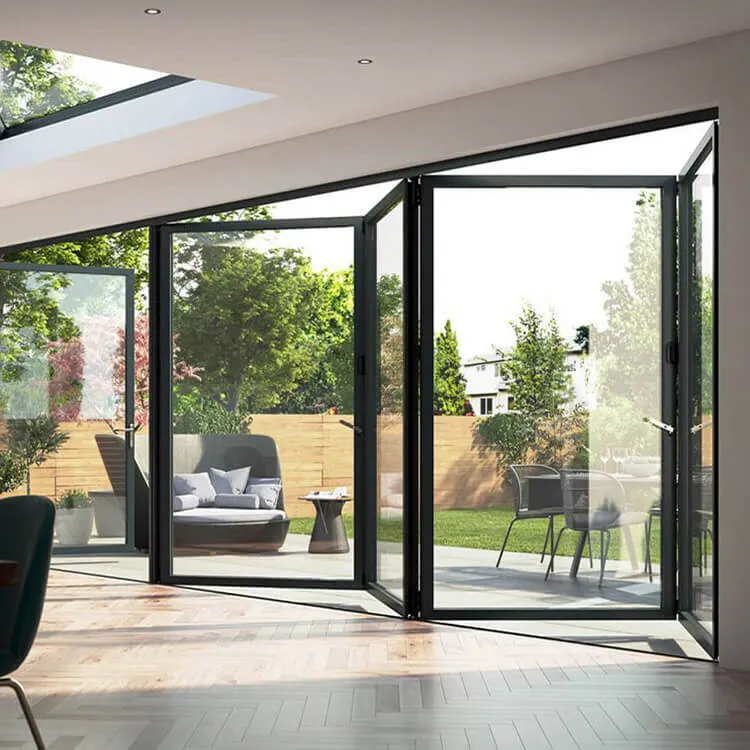
Foldable windows, sometimes called bi fold systems, work very differently. Instead of overlapping, multiple panels fold and stack neatly to one or both sides of the opening.
When fully opened, almost the entire width becomes clear. This creates a wide, uninterrupted opening between inside and outside.
In small homes this can completely transform how a room feels. A living room can suddenly extend into a balcony. A dining space can merge with a terrace. Even a small kitchen can open fully toward a utility or garden area for better ventilation and interaction.
This sense of openness makes foldable windows space saving in a different way. They may need some stacking space at the edge, but when open they remove the visual and physical barrier between zones. The room feels larger than it actually is.
Foldable systems are ideal when you want flexibility. Closed, they behave like solid windows that block dust, heat and rain. Open, they create an almost door like connection to the outdoors.
Ventilation and light in tight layouts
In compact homes, good ventilation is essential to avoid stuffiness.
Sliding windows allow controlled ventilation. You can open them partially for gentle airflow without fully exposing the room to wind, dust or noise. This is useful on busy streets or during extreme weather when you want moderation rather than maximum opening.
Foldable windows offer the opposite experience. When conditions are pleasant, they can open almost completely and flush the space with fresh air and daylight. This is perfect for mornings, gatherings or times when you want the home to feel airy and expansive.
If your priority is everyday, predictable ventilation, sliding windows are practical. If your priority is occasional full openness and indoor outdoor living, foldable windows deliver something sliding systems cannot.
Furniture placement and movement
Space planning in small homes is closely tied to where furniture can go.
Because sliding shutters never project into the room, they give you full freedom along the wall. You can run a long study table under the window, push a couch against it, or add storage below without conflict.
Foldable windows require a small clear zone where the panels stack when open. This means that exact corner cannot be permanently occupied by tall furniture. However, that trade off gives you a dramatic openable span that can visually enlarge the whole room.
In very tight bedrooms or study areas, sliding windows usually work better. In living rooms that connect to balconies or patios, foldable windows can make the space feel double its size when opened.
Cleaning and maintenance considerations
Small homes often aim for low effort upkeep.
Sliding windows are straightforward to clean and maintain. You mainly deal with two tracks and a limited number of moving parts. Regular wiping of the tracks and occasional lubrication of rollers keeps them smooth.
Foldable systems have more panels and hinges. They are not difficult to maintain, but they do need slightly more attention because of the extra moving joints. In return you get that large flexible opening.
If minimal maintenance is a top priority, sliding systems have an edge. If maximum opening and design impact matter more, the added care of foldable windows is usually worth it.
Safety and daily practicality
For homes with children, elderly residents or pets, ease and safety of operation matter.
Sliding windows move along a guided track and can be stopped at any position. This makes them predictable and safe in daily use.
Foldable windows require opening and stacking panels in sequence. This is easy for adults but involves a bit more handling. In windy conditions they also need to be secured properly when open.
In bedrooms and frequently used everyday windows, sliding designs feel simpler. In special openings where you intentionally open fully from time to time, foldable systems shine.
Making the right choice for your small home
Choosing between sliding vs foldable windows is less about which is better overall and more about where each is used.
Use sliding windows where:
- the room is tight and furniture needs to sit close to the window
- you want quick, effortless daily ventilation
- low maintenance and simplicity are priorities
Use foldable windows where:
- you want to merge indoors with a balcony or outdoor space
- occasional full width opening will enhance how the room is used
- creating a feeling of openness is more important than keeping every inch of wall permanently occupied
Many well designed small homes actually combine both. Sliding windows in bedrooms and kitchens for practicality. Foldable windows in living areas to create a dramatic, space expanding connection to the outside.
Designing small spaces to feel big
Compact window designs are not just about fitting into small walls. They are about making small homes live larger.
Sliding systems quietly support everyday life without demanding extra room. Foldable systems create moments where the home opens wide and feels limitless.
When thoughtfully chosen and well installed, either option can improve light, airflow and how spacious your home feels. Some homeowners prefer to work with experienced system providers such as Window Magic who can customise both sliding and foldable solutions to match exact room sizes and usage patterns.
In the end, the best window for a small home is the one that respects your space when closed and elevates it when opened.