
How to Choose the Right Window Type for Each Room in Your Home
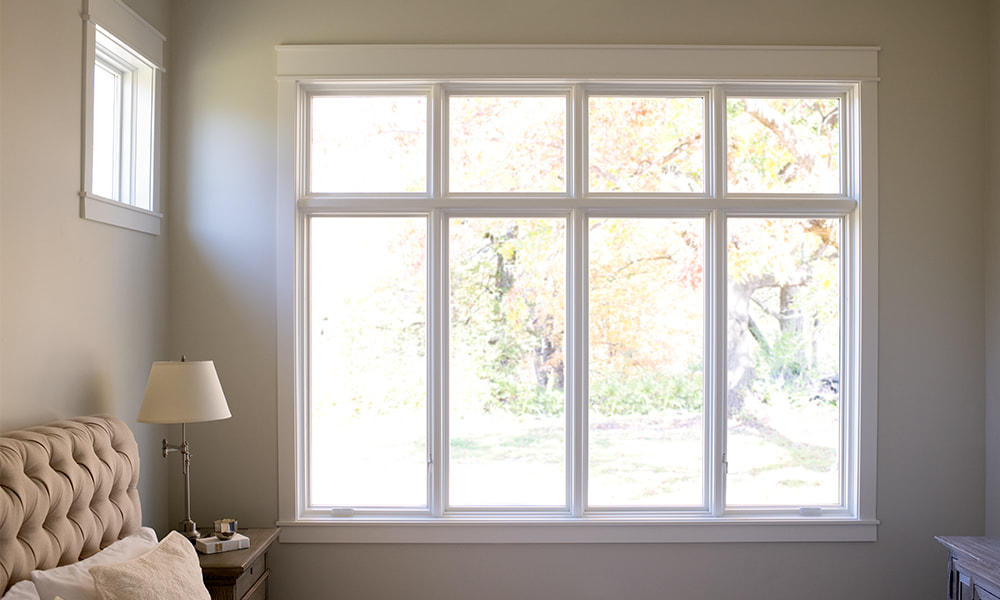
Choosing the right window types for home can make a big difference in how your space feels, functions, and even performs throughout the year. It goes beyond just picking a style that looks nice. The right windows can bring in fresh air, frame views, add security, let in daylight, and even help with privacy and energy efficiency. When you consider each room’s purpose, you can select window designs that fit both the everyday life of your family and the character of your house.
Every room in your home has different needs. A living room benefits from broad views and lots of sunshine. A bedroom needs privacy and quiet. Kitchens and bathrooms need good ventilation. Once you think about why you are in each space and what you want from it, choosing the right window becomes easier.
Living Room Windows: Light and Views
The living room is where families gather, where guests are welcomed, and where you want a sense of openness. That makes living room windows especially important. Homes typically benefit from larger window designs here, the kind that let in daylight and give you an uninterrupted view of the outdoors.
Combination windows, French windows, fixed windows, and sliding windows are among the best options for living spaces. Combination windows mix styles to balance light and ventilation. French windows are elegant and let in lots of air when opened. Fixed windows don’t open, but they are great when you have a beautiful view you want to capture without interruption. Sliding windows are practical and offer broad views without taking up extra space when opened.
In a living room, the goal is often to connect inside and outside visually, while still keeping the room comfortable and welcoming.
Best Windows for Bedrooms: Comfort and Privacy
Bedrooms are personal spaces. We want them to be calm, cosy, and private. That is why some of the best window choices for bedrooms include villa windows, casement windows, and tilt-and-turn windows. These types provide good airflow when you want it, and solid insulation and privacy when you do not.
Villa windows give a beautiful, classic look and work well in larger bedrooms. Casement windows open wide for fresh air but close tightly for privacy and light control. Tilt-and-turn windows are versatile because they can open inward at the top for ventilation or swing open like a casement for more airflow. Wherever possible, consider adding double-glazed glass to bedroom windows. This type of glass can help keep your room quieter and more energy efficient by reducing heat transfer.
Kitchen Window Types: Ventilation and Practicality
In kitchens, good ventilation is essential. Cooking can generate heat, steam, and smells that need a clear path out of the room. Practical window types like casement windows, sliding windows, and even louvre windows can work well here. Casement windows swing open to let out heat and bring in fresh air. Sliding windows are easy to use in tighter spaces where you do not want a sash swinging in or out. Louvres allow airflow while keeping out rain, which can be useful if your kitchen is exposed to monsoon weather.
What matters most in a kitchen is that the window is functional and simple to operate. You want to let steam out quickly, bring fresh air in, and clean the glass easily when needed.
Bathroom Window Design: Privacy and Ventilation
Bathrooms need small but effective windows. Moisture and steam build up quickly in these spaces, so ventilation matters more than size. Louvre windows are often a strong choice for bathrooms because they provide airflow without exposing the interior. The slatted design allows air to move while keeping the room private.
Another option is a small awning window positioned high on the wall. This lets ventilation happen without compromising privacy or needing much glass. The key idea here is to balance airflow with discretion.
Study Rooms and Home Offices: Light and Focus
If you have a study or home office, the window type should support concentration. Windows that bring in natural light without glare are ideal. Fixed windows can be great because they allow light in without distraction. If you want ventilation too, consider putting a casement window near your desk. This way you get a steady stream of fresh air when you need it and still maintain a calm workspace.
In a room where you spend long hours reading or working, the right balance of light, view, and airflow can make a big difference in your comfort and productivity.
How to Decide What’s Best
When you choose window types for home, here are some questions to ask yourself:
- What is the main purpose of this room? Do I want light, ventilation, privacy, or a view?
- How much wall space do I have for windows?
- Will the window design complement the architectural style of my home?
- What kind of weather does this room face, and what will the window need to protect against?
Good window design is not just about beauty. It is about how a window performs. The material you choose, the way it opens, and where it is placed all affect daily comfort. uPVC and aluminium windows with energy-efficient glass options help balance comfort and aesthetics across rooms and make sure that your windows not only look good but work well too.
Final Thoughts
Good windows do more than frame a view. They define the way you experience a room. Choosing the right window types for home means thinking about how you use each space and what matters most there. In bedrooms you want comfort and privacy. In living rooms you want light and connection to the outdoors. Kitchens and bathrooms need practical ventilation. And in workspaces you want light that helps you focus.
By matching window types to the needs of each room, you give your home a thoughtful and functional layout. With natural light, fresh air, and spaces that feel just right, each part of your home becomes more inviting and comfortable.