
Foldable Sliding Windows Explained: Ideal Use-Cases, Costs, and Limitations
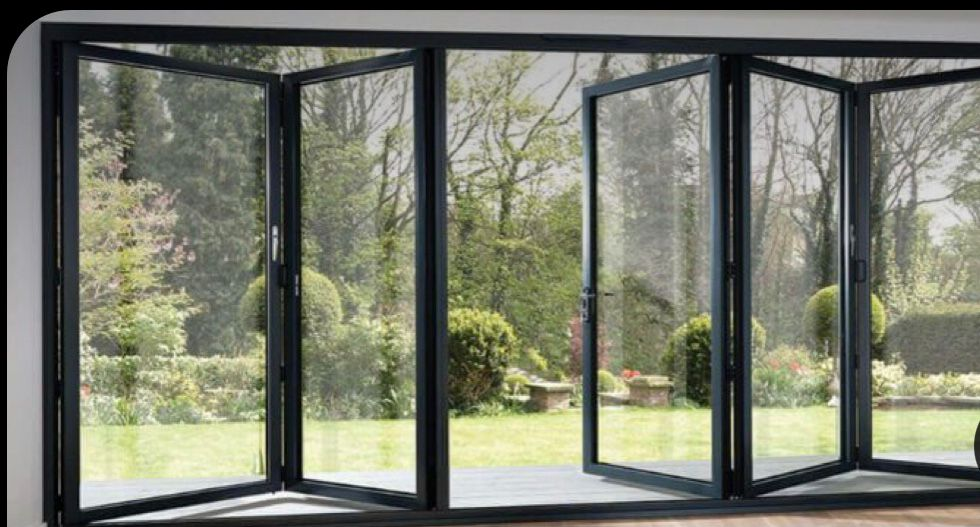
Modern homes are all about blending style, comfort, and space efficiency. One window solution that has gained a lot of attention lately for achieving all three is the foldable sliding windows system. Known by many names such as bi-fold or accordion windows, this innovative design is transforming the way people think about indoor-outdoor connections, ventilation, and contemporary aesthetics. In this article, we explain what these windows are, where they make the most sense, how much they might cost, and some practical limitations to keep in mind.
What Are Foldable Sliding Windows?
Foldable sliding windows combine the functions of a sliding window and a folding system. Multiple glass panels are hinged together and glide along a track. When opened, these panels fold and stack neatly to one side of the opening, creating a wide, unobstructed passage between your interior space and the outdoors. They are sometimes referred to as sliding folding windows or balcony folding windows because of how perfectly they link indoor living areas to balconies, patios, or terraces.
This design is especially popular in contemporary architecture where maximizing natural light and ventilation are priorities. The panels can fold inward or outward, depending on the space configuration, giving homeowners flexibility in how much of the opening they expose at any time.
Ideal Use-Cases for Foldable Sliding Windows
These windows shine in situations where you want to blur the line between inside and outside without compromising on style or performance.
In urban apartments with balconies, foldable sliding windows can make the balcony feel like an extension of the living room. When fully opened, the glass panels stack neatly, allowing uninterrupted views and plenty of fresh air. That sense of openness can make smaller spaces feel larger and more inviting.
For living rooms that look out onto gardens or patios, sliding folding windows are especially effective. They let in maximum natural light and allow you to enjoy outdoor views with minimal obstruction. This makes them one of the most compelling options for areas where visual connection to the outdoors is a priority.
In open-plan homes, these windows can replace traditional walls altogether, turning an enclosed space into a bright, breezy living area. This seamless indoor-outdoor integration is a major reason why foldable sliding windows have become popular for entertaining spaces, dining areas adjacent to outdoor seating, and even spa or poolside enclosures.
They are also useful in kitchens that open onto outdoor dining patios. Instead of a small window, you have a wide, nearly unobstructed opening that lets heat, steam, and cooking aromas escape more easily while inviting in fresh air.
Key Advantages of Foldable Sliding Windows
Foldable sliding windows offer several compelling benefits that go beyond their striking appearance.
First, they deliver exceptional natural light and ventilation. Because the opening can be nearly as wide as the wall itself, sunlight floods in and air moves freely through the space. This helps create a bright, airy environment without relying on artificial lighting or constant mechanical cooling.
Second, their space-saving design is hard to beat. Unlike casement windows that swing in or out and take up clearance space, folding panels stack neatly to the side. This makes them ideal for balconies or areas where swing space is limited.
Aesthetics is another strong advantage. With slim frame profiles and large expanses of glass, foldable sliding windows elevate the look of any room and complement modern architecture beautifully. Both aluminium and uPVC frames are common, offering options in finish, colour, and thermal performance.
Energy efficiency, when paired with double or insulated glazing, can be excellent. Properly specified systems help reduce heat transfer and make interiors more comfortable year-round. Some homeowners also choose laminated or acoustic glass to improve noise reduction, especially in city environments.
Finally, security is not overlooked. Modern foldable sliding windows often include multi-point locking hardware that reinforces safety without compromising the clean look.
Costs: What to Expect
People often ask about folding sliding windows price, and the answer varies based on a few key factors such as material, number of panels, glass type, and customization needs.
In general, basic uPVC foldable sliding windows start at a more affordable range, while aluminium versions tend to cost more due to the strength and slimmer aesthetics aluminium provides. Higher performance glazing or special coatings for heat control, privacy, or noise reduction will also influence the price.
For a typical foldable sliding window system in India, basic uPVC models with standard glass are priced lower, though the exact number depends on the supplier and region. Aluminium systems with standard glass tend to be more expensive, and adding premium features pushes the price further.
It’s important to remember that installation plays a big role. Because foldable sliding systems involve precise tracks, hinges, and alignment, professional installation ensures the best performance and long-lasting operation. Good installers may cost more upfront, but they reduce issues like air leakage, misalignment, or uneven folding panels over time.
Limitations to Consider
While these windows offer remarkable benefits, they do have some trade-offs.
The first practical consideration is cost. Compared with traditional sliding or casement windows, foldable sliding systems generally have higher initial costs because of the complexity of hardware and mechanism involved.
Maintenance is another factor. Because these systems have multiple moving parts — rollers, hinges, and tracks — regular cleaning and occasional lubrication keep them operating smoothly. Homes in dust-prone areas or coastal environments may need more frequent upkeep.
Folding systems also require enough clearance space for the panels to stack. While the space they save by not swinging out is a plus, you still need planning so the panels do not interfere with furniture or fixtures when stacked.
Finally, very wide openings or unusually shaped walls may need structural support or custom engineering, which can raise costs and complicate the installation process.
Is a Foldable Sliding Window Right for Your Home?
Foldable sliding windows are particularly well suited to homes that value connection to outdoor spaces, maximum light, and modern Visual appeal. They are ideal for living spaces, balcony folding windows, dining areas, and even kitchens where openness and airflow matter.
However, if you are on a tight budget or your space has limitations that make installation difficult, it may be better to explore other window options like traditional sliding windows, casement windows, or fixed glass units. Each of these has its own benefits and may fit specific needs better.
Final Thoughts
Foldable sliding windows are a stylish and highly functional upgrade that brings flexibility, light, and openness to modern homes. They offer design freedom, excellent ventilation, and a seamless indoor-outdoor experience when paired with quality materials and professional installation. Whether you are renovating, building new, or simply looking to enhance your living space, understanding the ideal use-cases, costs, and limitations helps you decide intelligently.
Good planning and thoughtful choices ensure that folding sliding windows become a long-term asset to your home rather than just a striking architectural feature.