
Picture this: your home is halfway framed. Walls are up, headers are set, the project is finally taking shape. Then you fall in love with a floor-to-ceiling picture window you saw online bigger, bolder, better than anything in the original plan. One small decision. Except now your builder has to tear into finished framing, add steel lintels, and push the timeline back by weeks. What felt like a simple upgrade just became one of the most expensive mistakes on the site.
This scenario plays out on construction sites more often than most homeowners realize. Budgets get carefully mapped for foundation work, structural framing, and interior finishes, but windows are treated like a finishing touch, something to decide on later. In reality, fenestration is structural. It affects load-bearing calculations, wall openings, insulation, and waterproofing from day one.
The fix isn't complicated: bring your window suppliers and manufacturers into the conversation at the blueprint stage, not the finishing stage. It's a small shift in sequencing that ends up protecting your budget at every phase of the build, and it starts with understanding exactly where the money leaks when windows are an afterthought.
The Hidden Cost of Late Window Decisions
Many people view windows simply as glass panes that let in light. In modern construction, however, fenestration is an integral part of the building's structural and thermal envelope.
If you finalize your floor plans and frame your walls without knowing the exact dimensions, weight, and specifications of your windows, you are setting yourself up for expensive retrofitting. For instance, if you fall in love with a massive, floor-to-ceiling picture window or a multi-panel sliding system late in the game, your builder may need to install heavy steel lintels, alter headers, or redo framing already put in place. These last-minute structural changes lead to wasted materials, extra labor costs, and frustrating project delays.
Direct Collaboration with Window Manufacturers Saves on Customization
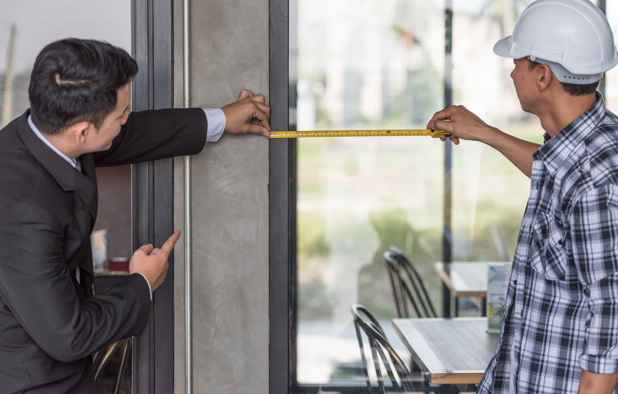
Every home site is unique, and standard window sizes do not always fit every architectural vision. Working directly with established window manufacturers early in the planning phase allows you to design custom solutions that fit your structural openings precisely.
When manufacturers are brought in early, they can advise on the structural feasibility of your design ideas before a single brick is laid. They can recommend optimal glass thicknesses, weight-bearing frame requirements, and standard sizing variations that minimize waste. Ordering custom sizes straight from the factory eliminates the need for expensive on-site cutting, masonry adjustments, or custom remedial framing later, translating to immediate savings on labor and raw materials.
Streamlining Procurement with Reliable Window Suppliers
Construction timelines are notoriously fragile. A delay in material delivery can halt work completely, leaving your site vulnerable to weather damage while labor costs continue to tick upward.
Collaborating with reputable window suppliers early ensures a streamlined procurement schedule:
- Advance Scheduling: By selecting and ordering your windows months in advance, you lock in pricing and protect yourself against unexpected market inflation or supply chain bottlenecks.
- Staggered Deliveries: Reliable suppliers can coordinate deliveries so that frames arrive precisely when the framing stage is ready, preventing clutter on the job site and reducing the risk of accidental damage to expensive glass panels.
- Warranty and Support: Early coordination ensures that technical support, installation guides, and warranties are aligned with your general contractor's schedule, ensuring seamless accountability.
Lowering Long-Term Energy Bills Through Upfront Precision
While upfront construction savings are vital, true financial planning looks at the lifecycle cost of a home. Heating and cooling account for a massive share of household utility bills, and windows are the primary vulnerability for thermal loss or heat gain.
When you plan your windows early, you can strategically place them to maximize passive solar heating in the winter while shielding living areas from harsh summer sun. Furthermore, working with manufacturers early allows you to select the right glazing technologies such as Low-E coatings, double or triple glazing, and thermally broken frames tailored specifically to your regional climate. Investing a bit more in high-efficiency fenestration during construction pays for itself manifold through drastically reduced electricity bills over the lifetime of the home.
Avoiding Costly Waterproofing and Sealing Failures
Water seepage is every homeowner's worst nightmare. Remedying moisture damage, mold, and rot behind walls requires tearing down drywall, replacing insulation, and re-masonry costly repairs that could easily have been avoided.
When windows are planned from the start, the structural flashings, weep holes, and damp-proof courses are designed directly into the building envelope. Early planning ensures that the installation team has the exact installation details required for a watertight seal. This prevents costly water damage remediation down the road and ensures your home remains structurally sound for decades.
Conclusion
Building your dream home should be an exciting journey, not a financial marathon defined by unexpected expenses. By shifting your mindset and prioritizing fenestration at the blueprint stage, you protect your budget from the hidden costs of retrofitting and delays. Establishing a strong relationship with experienced window suppliers and window manufacturers like Window Magic early on ensures structural precision, streamlined procurement, and long-term energy savings.
Our expert technicians help you choose the right window that would complement your facade and match the aesthetics of your interior while being functional. A little foresight in the planning room puts money back in your pocket and lays the foundation for a structurally sound, beautiful home.