
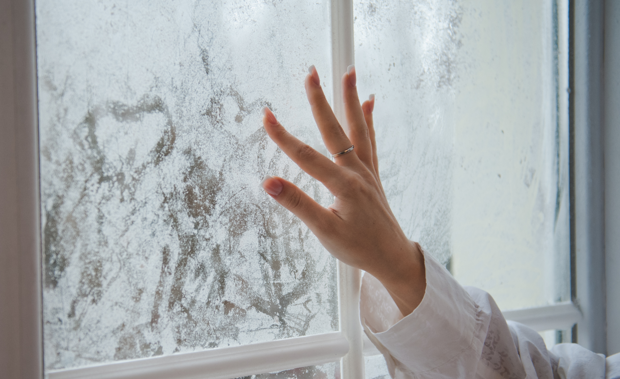
It rarely announces itself. There's no single moment where a homeowner realizes something is wrong. Instead, it shows up as a slightly higher electricity bill one month, a room that never quite feels as warm as the rest of the house, or a faint whistling sound on windy nights that everyone eventually just tunes out. Air leakage is one of the quietest problems a home can have and one of the most expensive to ignore.
Most homeowners assume that if their windows and doors are closed, the house is sealed. In reality, closed doesn't always mean airtight. Tiny gaps around frames, worn seals, or poorly fitted joinery can leak air steadily, year after year, without ever becoming obvious enough to investigate. By the time the signs are impossible to miss, the structural damage has grown multifolds, taking an extensive financial hit.
The Slow Financial Drain You Don't See
Air leakage doesn't cost you all at once. It costs you a little every single day, which is exactly why it goes unnoticed for so long. When warm air escapes in winter or cool air leaks out in summer, your HVAC system has to work harder to compensate. It runs longer, cycles more frequently, and consumes more electricity to maintain the same indoor temperature you'd otherwise get for less.
Over a single season, this might only add a small amount to your bill. But air leakage is rarely a single-season problem; it's a standing condition that compounds month after month, year after year. Multiply that quiet inefficiency across an entire home, over the average lifespan of a window installation, and homeowners can end up paying thousands extra in energy costs for a problem that was, at its root, entirely preventable.
More Than Just Comfort: The Structural Risk
Energy bills are the most visible consequence, but not the most serious one. Wherever air can leak out, moisture can often find its way in, and moisture is where real structural damage begins.
Persistent air gaps around windows and doors create pathways for humid air to seep into wall cavities. Over time, this can lead to condensation building up in places it shouldn't, quietly encouraging mold growth, timber rot, or corrosion in metal components hidden behind your walls. None of this is visible during a casual glance at your window frame. It's only discovered during renovations, repairs, or worse, when the damage has progressed far enough to affect indoor air quality or structural integrity.
Unaddressed air leakage also puts unnecessary strain on the surrounding building envelope. Doors that don't seal well often see accelerated wear on hinges and hardware, as drafts and pressure differentials cause frames to shift slightly over time. What starts as an invisible leak can, years later, surface as a much larger and costlier repair.
Why the Frame Matters as Much as the Seal
Many homeowners believe air leakage is purely a maintenance issue, that worn weatherstripping is always the culprit, and a fresh seal will fix it. Often, though, the real issue lies deeper, in the quality and design of the frame itself.
This is where the choice of material makes a measurable difference. Aluminium windows, when engineered with precision-fit profiles and multi-point locking systems, create a significantly tighter seal against the frame than older or lower-grade systems. High-performance aluminium windows are built with narrow tolerances between the sash and frame, minimizing the microscopic gaps where air typically escapes. Paired with quality gaskets and proper installation, they're designed to stay airtight for years, not just at the point of installation.
This is also why choosing the right windows and doors matters more than most homeowners realize. A well-engineered system resists air leakage structurally, rather than relying entirely on seals that degrade with time, weather exposure, and repeated use. It's a difference that isn't visible on day one but becomes very visible in the energy bills and comfort levels five or ten years down the line.
Catching the Problem Before It Grows
The good news is that air leakage is entirely preventable, and often reversible, if caught early. A simple hand test near frame edges on a windy day, a noticeable draft near a closed window, or an unexplained rise in energy bills are all worth investigating rather than dismissing.
Ultimately, air leakage is a problem that thrives on being ignored. It doesn't demand attention the way a cracked pane or a jammed lock does; it simply drains comfort and money in the background, quietly, for as long as it's allowed to. Choosing well-engineered windows and doors, particularly high-performance aluminium windows with tight sealing and precise installation, isn't just about upfront comfort. It's about closing the door quite literally on a problem that only gets more expensive with time.