
Aluminium vs uPVC Sliding Windows: Which One Lasts Longer in Indian Weather?
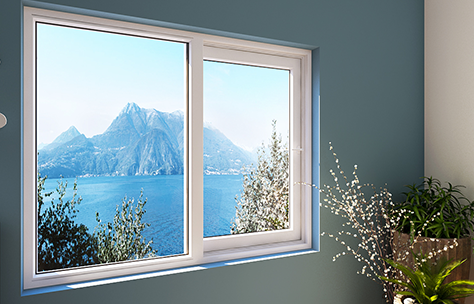
Choosing the right sliding windows for your home is more than a design decision. It’s about durability, performance, maintenance, and long-term value, especially in India’s diverse climate. Two of the most popular choices today are aluminium sliding windows and uPVC sliding windows. Both have strong followings and valid use cases, but many homeowners wonder: which one lasts longer in Indian weather?
This article compares aluminium vs uPVC sliding windows across key criteria like durability, weather resistance, maintenance, thermal comfort, and value for money. By the end, you will understand how each material performs in India’s hot summers, monsoon humidity, dusty conditions, and seasonal temperature swings.
What Makes Sliding Windows Popular?
Sliding windows are preferred for modern homes for good reasons:
- They save space since the panels slide horizontally
- They offer wide views and natural light
- They are easy to operate and maintain
- They work well for balconies, patios, bedrooms, and living rooms
When you narrow the choice to aluminium sliding windows or uPVC sliding windows, you are essentially choosing between two different material technologies—each with its strengths.
Durability in Indian Weather
Aluminium Sliding Windows
Aluminium is a metal with inherent strength and rigidity. It resists bending, cracking, and deformation under load, which makes it ideal for larger sliding spans. In Indian weather, aluminium has several durability advantages:
- Strong resistance to high temperatures without warping
- Minimal expansion or contraction with heat
- No susceptibility to termite or fungal attacks
- Can handle large glass areas with slim frames
However, aluminium can corrode over time if the coating quality is poor and maintenance is neglected. In coastal or high-humidity regions, unprotected aluminium may show signs of oxidation unless treated with quality anodised or powder-coated finishes.
uPVC Sliding Windows
uPVC is a rigid plastic material engineered for stability. It performs very well in many climates, including India’s, but its durability depends on quality of formulation and profile structure:
- Great resistance to moisture, so no rust
- UV-stabilised uPVC resists color fading in sunlight
- No termite or corrosion issues
- Built-in thermal insulation properties
That said, low-quality uPVC can become brittle over many years of sun exposure if UV stabilisers are insufficient. Good manufacturers add additives that improve long-term performance, but this varies across brands.
Winner for durability: If both are made with high-quality materials and finishes, aluminium sliding windows tend to have a slight edge in long-term structural stability, especially in large spans. uPVC sliding windows perform excellently but can soften or discolor over decades if exposed to extreme heat without proper UV protection.
Also Read: Sliding windows Luxury
Weather Resistance and Thermal Comfort
Heat and UV Exposure
India’s hot summers can subject windows to intense heat and UV radiation. Aluminium and uPVC respond differently:
- Aluminium conducts heat more than uPVC. Without thermal breaks or insulated glazing, aluminium frames can make interiors warmer.
- uPVC naturally offers better thermal insulation due to its multi-chamber structure, limiting heat transfer.
This means uPVC sliding windows may help keep indoor spaces cooler, especially when paired with quality double-glazed units. Aluminium systems often require additional thermal breaks and good glass choices to achieve similar results.
Monsoon and Humidity
During the rainy season, moisture resistance matters:
- Aluminium resists water and humidity well if the surface finish is good.
- uPVC inherently resists water without rusting or swelling.
In heavy rain, both materials perform well when properly sealed. The key lies in installation quality and sealing systems rather than the frame material alone.
Maintenance Over Time
Aluminium Sliding Windows
Maintenance for aluminium systems is straightforward:
- Wipe frames with a damp cloth
- Keep tracks free of dust
- Periodically check for seal integrity
High-quality powder coating or anodised finishes reduce the need for frequent care. Occasional lubrication of sliding tracks ensures smooth operation.
uPVC Sliding Windows
uPVC requires even less maintenance:
- Clean with mild soap and water
- No painting or protective coatings needed
- Hardware may require occasional lubrication
uPVC does not rust or corrode, and its surface finish resists staining. However, heavy dust or debris in tracks must be cleaned regularly to maintain smooth sliding action.
Winner for maintenance: uPVC sliding windows require slightly less maintenance over time simply because they do not depend on surface coatings.
Also Read: Slide & Fold
Strength, Security and Hardware
Both materials can be fitted with quality hardware, but there are differences to note:
- Aluminium’s strength allows for slimmer frames and larger glass panels without losing structural integrity.
- uPVC can require extra metal reinforcement for large sliding units, adding slightly to weight and cost.
Security depends more on hardware quality—locks, rollers, multi-point systems—than base material. However, aluminium’s rigidity makes it easier to support heavier, high-security hardware without flex.
Aesthetic Flexibility
Aluminium sliding windows are often chosen for their modern look and slim profiles. They suit contemporary architecture and large panoramic views.
uPVC sliding windows come in a variety of finishes including wood-grain textures, dual colours, and classic white. They offer design flexibility for traditional and modern homes alike.
Cost Considerations
Aluminium sliding windows typically cost more upfront due to material and manufacturing complexity, especially for large custom sizes.
uPVC sliding windows often start at a lower base price, but high-end profiles, thicker frames, and premium glass can raise costs closer to aluminium, especially when engineered for larger openings.
Matching Performance to Climate Zones
India’s climate varies from dry desert heat in the northwest to humid coastal conditions in the south and east. Here’s how both materials fare:
- Hot, dry regions: uPVC’s insulation helps reduce interior temperatures. Aluminium needs thermal breaks to match performance.
- Humid, coastal areas: uPVC resists corrosion and salt spray; aluminium resists moisture but needs a good finish.
- Cold regions or high altitude: uPVC’s insulation reduces heat loss; aluminium with thermal breaks can also perform well.
Final Comparison at a Glance
| Feature | Aluminium Sliding Windows | uPVC Sliding Windows |
| Structural strength | Excellent | Good with reinforcement |
| Thermal insulation | Moderate (needs thermal break) | Strong |
| Durability in heat | Very good with quality finish | Very good with UV stabilisers |
| Moisture resistance | Very good | Excellent |
| Maintenance | Low | Very low |
| Cost | Moderate to High | Low to Moderate |
| Aesthetics | Sleek, modern | Variety of finishes |
Which Lasts Longer in Indian Weather?
When comparing aluminium vs uPVC sliding windows for long-term durability in Indian weather, the answer depends on materials and execution quality:
- High-quality aluminium sliding windows with good thermal breaks and premium finishes can outlast most alternatives in structural performance, especially in larger spans.
- uPVC sliding windows offer excellent all-around durability, superior insulation, low maintenance, and strong weather resistance when sourced from reputable manufacturers and paired with good glazing.
If longevity means structural stability and support for large openings, aluminium often has a slight advantage. If longevity means comfortable, low-maintenance, weather-resistant performance with minimal upkeep, uPVC sliding windows are equally compelling.
Also Read: Sliding Doors
Tips for Making the Right Choice
- Ask for technical specifications on thermal breaks, glazing, reinforcement, and finish quality.
- Consider your climate zone and orientation when choosing materials.
- Prioritise reputable manufacturers and professional installation.
- Compare not just product price but long-term value including energy savings and maintenance.
Both aluminium and uPVC sliding windows are excellent options for modern homes in India. Your final choice should reflect your performance priorities, budget, and design preferences.