
How to Identify Genuine uPVC Window Frames vs Low-Quality Imitations
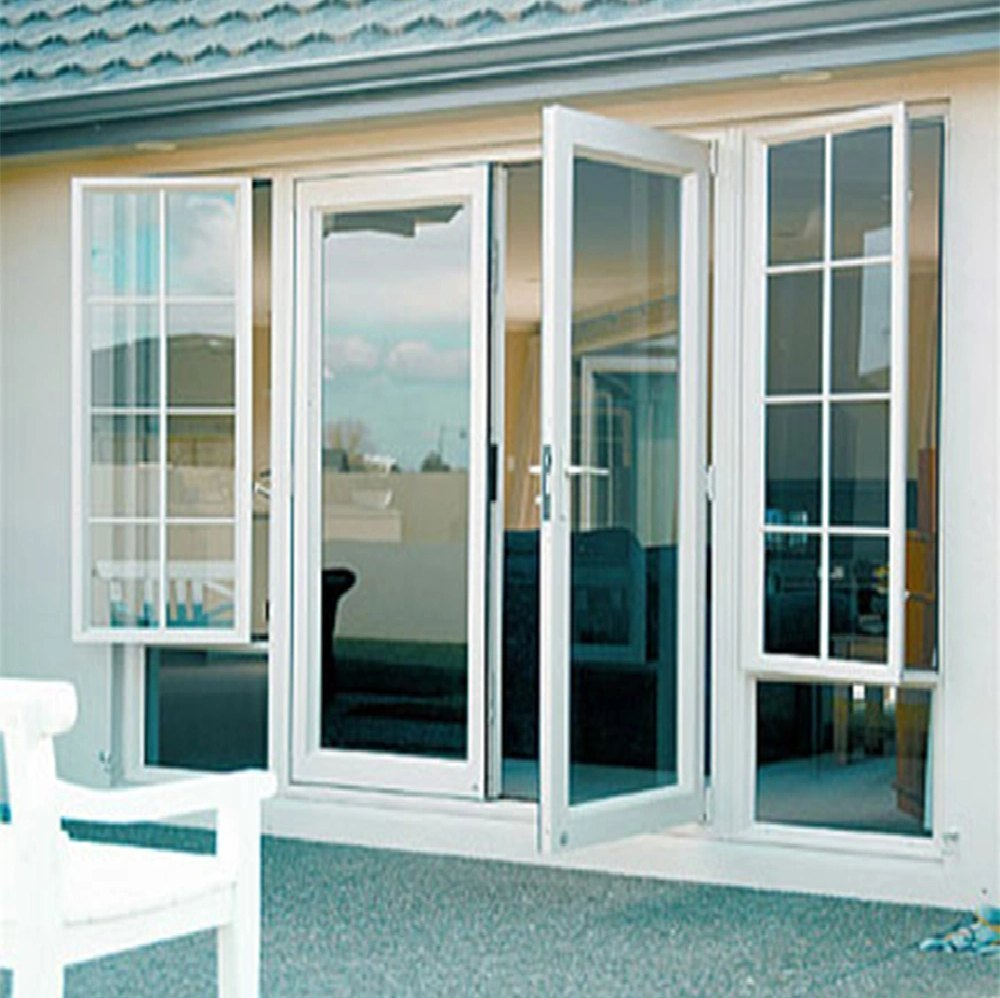
With the growing popularity of uPVC windows across India, the market has also seen a rise in low-quality imitations that look similar on the surface but perform very differently over time. For homeowners, especially first-time buyers, it can be difficult to tell whether they are investing in genuine uPVC window frames or settling for substandard alternatives that may fail within a few years.
Since windows are a long-term investment affecting comfort, energy efficiency, safety, and maintenance costs, understanding how to differentiate between genuine uPVC windows and fake uPVC window frames is critical. This guide breaks down the most reliable ways to assess uPVC frame quality before making a purchase.
Why uPVC Window Frame Quality Matters
uPVC window frames do much more than hold glass in place. They provide structural strength, thermal insulation, sound reduction, weather resistance, and security. High-quality frames retain their shape and performance for decades, while low-grade imitations often discolor, crack, warp, or fail at joints.
Choosing the best uPVC window frames ensures:
- Better insulation and energy savings
- Long-lasting structural stability
- Smooth window operation over time
- Reduced maintenance and repair costs
- Enhanced security and safety
Low-quality frames may appear cost-effective initially but usually result in frequent problems that outweigh any upfront savings.
1. Check the Profile Thickness and Structure
One of the simplest ways to identify genuine uPVC window frames is by checking profile thickness and internal structure. Quality uPVC profiles are multi-chambered, meaning they have multiple hollow sections inside the frame.
These chambers improve:
- Thermal insulation
- Noise reduction
- Structural rigidity
Fake uPVC window frames often use fewer chambers or thinner walls to reduce material costs. This compromises strength and insulation. Ask the supplier to show a cross-section sample of the frame profile. A genuine system will clearly display uniform, well-defined chambers and consistent wall thickness.
<h3>2. Examine Surface Finish and Color Consistency
High-quality uPVC frames have a smooth, uniform surface with consistent color throughout. The finish should feel solid and refined, not chalky or uneven.
Signs of low-quality imitation frames include:
- Patchy or dull surface finish
- Uneven coloring or streaks
- Rough edges or visible imperfections
Over time, poor-quality frames are more prone to yellowing, fading, or becoming brittle when exposed to sunlight. Genuine uPVC windows are formulated with UV stabilizers that protect against discoloration and surface degradation.
3. Smell and Material Density Test
This may sound unusual, but it is effective. Inferior uPVC frames often emit a strong plastic or chemical odor, especially when newly manufactured. This can indicate the use of recycled or low-grade material.
Genuine uPVC window frames use virgin or controlled recycled material blends that are stable and odor-neutral. When you knock lightly on the frame, it should feel dense and solid, not hollow or flimsy.
4. Ask About Raw Material and Formulation
Not all uPVC formulations are the same. High-quality manufacturers follow strict material standards that include:
- UV stabilizers for sunlight resistance
- Impact modifiers for strength
- Heat stabilizers for weather durability
Low-quality frames often skip or reduce these additives to cut costs. This leads to frames that crack in cold weather, soften in heat, or degrade quickly.
Do not hesitate to ask suppliers about the origin of their profiles and whether they meet recognized quality benchmarks. Transparency is a good indicator of genuine uPVC windows.
5. Reinforcement Inside the Frame
One of the most critical uPVC frame quality checks involves internal reinforcement. Quality uPVC window frames use galvanized steel or appropriate metal reinforcement inside the profile, especially for larger windows and doors.
Reinforcement improves:
- Load-bearing capacity
- Resistance to bending or sagging
- Long-term operational stability
Fake uPVC window frames may skip reinforcement entirely or use very thin metal sections. Ask to see reinforcement samples or drawings to confirm proper support.
6. Joint Welding and Corner Finish
Examine the corners of the window frames carefully. Genuine uPVC windows use precision welding techniques that create strong, seamless joints.
Signs of quality welding include:
- Smooth, clean corner joints
- Minimal visible gaps
- Uniform alignment
Poor-quality imitations often show rough welds, excess filler, visible gaps, or misaligned corners. Weak joints are a major cause of frame failure and water leakage over time.
7. Hardware Compatibility and Fit
High-quality uPVC window frames are engineered to work with branded hardware systems. The hardware fits perfectly within the profile grooves without force or adjustment.
If you notice:
- Loose handles or locks
- Improvised fittings
- Hardware that does not sit flush
it may indicate substandard frame design. Genuine systems are tested as complete units, ensuring compatibility between frame, sash, and hardware.
8. Weight and Rigidity
While uPVC is lightweight compared to materials like steel, genuine uPVC window frames still feel sturdy. Frames that are unusually light may be using thinner walls or inferior material.
Gently apply pressure to the frame. It should not flex easily. Excessive flexibility is a red flag for fake uPVC window frames.
9. Warranty and Documentation
Reputable manufacturers of genuine uPVC windows offer clear warranties covering:
- Frame stability
- Color retention
- Hardware performance
Low-quality suppliers often provide vague or limited warranties, or none at all. Ask for written warranty documents and product specifications. Reliable brands stand behind their products with confidence.
10. Price That Seems Too Good to Be True
While cost is an important consideration, extremely low pricing is often the biggest warning sign. If one quote is significantly cheaper than others, it usually reflects compromises in material, reinforcement, hardware, or manufacturing standards.
The best uPVC window frames balance price with performance, durability, and long-term value. Paying slightly more upfront often saves money on repairs, replacements, and maintenance later.
Role of Trusted Manufacturers
Identifying genuine uPVC window frames becomes easier when working with established manufacturers and professional installers. Experienced brands focus on system engineering, material quality, testing, and proper installation rather than competing only on price.
Companies like Window Magic, for example, emphasize certified profiles, quality-controlled manufacturing, and standardized installation practices. This system-led approach helps homeowners avoid the risks associated with fake uPVC window frames.
Final Thoughts
The difference between genuine uPVC windows and low-quality imitations may not always be visible on day one, but it becomes obvious over time through performance, durability, and maintenance needs.
Before making a purchase, take time to inspect profile structure, surface finish, reinforcement, welding quality, and warranty support. Ask questions, request samples, and compare specifications instead of relying solely on appearance or price.
Choosing the best uPVC window frames is an investment in comfort, safety, and long-term peace of mind. With the right checks and informed decisions, you can ensure that your windows perform exactly as promised for years to come.