
How Fixed Windows Are Revolutionizing Minimalist Design
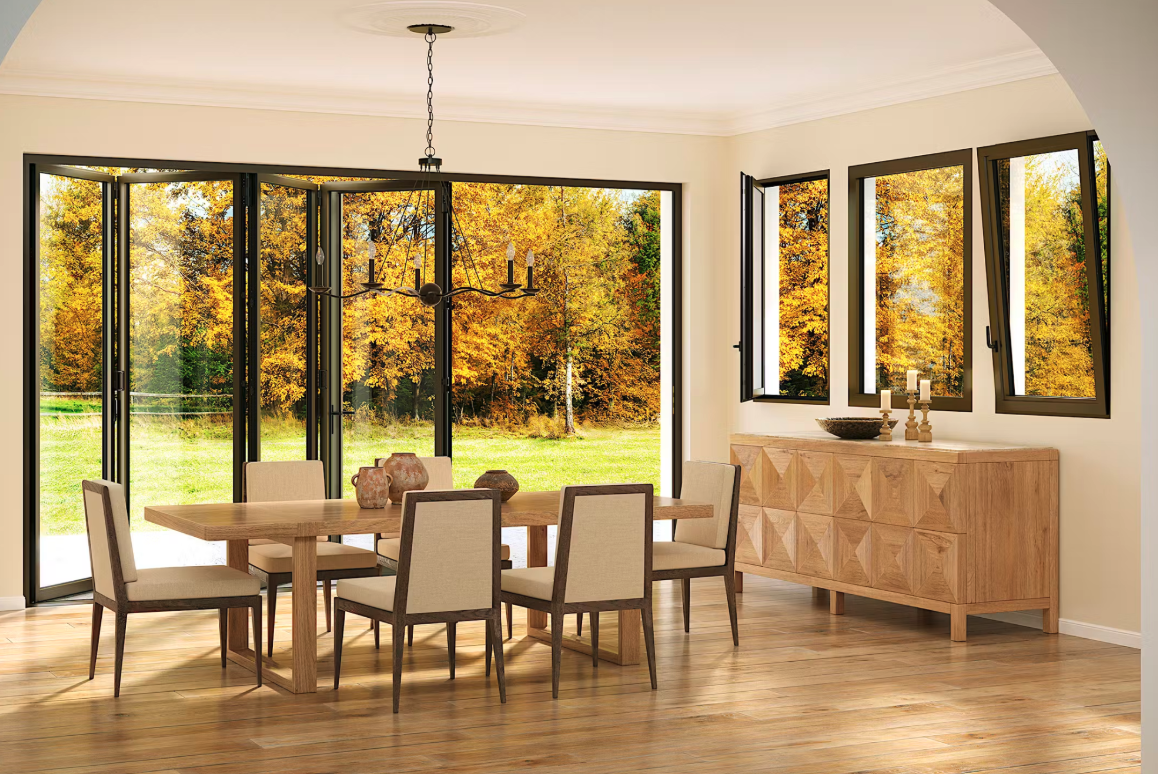
In the world of modern architecture and interior design, one element is steadily gaining prominence for its ability to marry simplicity with elegance, the fixed window. As the minimalist design trend continues to captivate homeowners and designers alike, fixed windows are proving to be a subtle yet transformative feature that enhances both aesthetics and functionality.
The Essence of Minimalist Design
Minimalism is more than just a style; it is a philosophy that emphasizes clarity, simplicity, and purposeful use of space. It strips away excess, focuses on the essential, and creates an environment that feels open, light, and calming. In architectural terms, minimalist design often involves clean lines, uncluttered spaces, and a seamless connection between indoors and outdoors. This is where fixed windows become vital.
What Is a Fixed Window?
A fixed window, unlike operable windows, is a stationary pane of glass permanently sealed into the window frame. It cannot be opened or closed, making it a simple design element at first glance. But this simplicity is exactly what makes fixed windows so powerful in minimalist design. Their lack of moving parts eliminates distractions and interruptions in the view or architectural flow, offering an uninterrupted expanse of glass.
Maximizing Natural Light
One of the hallmark benefits of fixed windows is their ability to maximize natural light. They allow for larger glass panels without the limitations of sashes or hinges, so the window area can be much bigger than typical operable windows. This translates into more daylight flooding into rooms, illuminating spaces naturally and reducing the need for artificial lighting.
In minimalist interiors, where light plays a pivotal role in defining space and mood, fixed windows help create a bright and airy atmosphere. They highlight the simplicity of design while fostering a connection to the outdoors, making interiors appear larger and more open. Studies also show that natural light boosts well-being, productivity, and overall mood, making fixed windows an excellent choice for modern living.
Unobstructed Views and Seamless Integration
Another reason fixed windows are favored in minimalist design is their ability to offer unobstructed views. Without the interruption of frames designed to open or close sections, fixed windows serve as clear portals to nature, urban landscapes, or architectural features outside. This transparency reinforces minimalist ideals by creating a sense of continuity between interior and exterior environments.
Whether it’s an expansive mountain vista, a lush garden, or a sleek city skyline, fixed windows frame it elegantly, turning the outdoors into a piece of living art. Their placement in corners, floor-to-ceiling spaces, or unusual shapes further accentuates this flow without compromising the structure’s minimalist integrity.
Enhanced Energy Efficiency
Because fixed windows do not open, they are inherently more airtight than operable windows. This feature significantly reduces air leakage and drafts, improving thermal insulation in homes and commercial spaces. Enhanced insulation means lower energy consumption for heating and cooling, aligning perfectly with sustainable design ideals commonly embraced by minimalist architects.
Energy-efficient fixed windows often come with advanced glazing options like double or triple-pane glass and low-emissivity coatings. These innovations help regulate indoor temperatures year-round, cutting energy bills and minimizing environmental impact. In addition, well-insulated fixed windows reduce outside noise, contributing to a tranquil and undisturbed environment.
Low Maintenance and Durability
Minimalist design favors clean surfaces and clutter-free spaces, traits that fixed windows naturally support. Since they lack moving parts, fixed windows require less maintenance than operable ones. No worrying about broken hinges, locks, or seals means fewer repairs and less upkeep over time.
Their simple construction also makes cleaning easier. Large, smooth glass surfaces can be wiped down effortlessly, preserving the window's sleek appearance. Moreover, materials used in modern fixed windows, such as aluminum frames or high-quality uPVC, offer resistance to weathering, wear, and corrosion. This durability ensures the windows maintain their aesthetic and functional value for years.
Design Flexibility
While fixed windows boast simplicity, they are far from monotonous. They come in a variety of shapes, sizes, and frame finishes, making them versatile enough to complement any minimalist theme. Whether integrated into a grid pattern for geometric precision or used as a solitary expansive frame, fixed windows can be customized to accentuate the architectural style of the property.
Innovative designs include combining fixed window panels with operable sections elsewhere, creating functional yet visually harmonious facades. They also work beautifully with minimal window frames, where the emphasis is on maximizing glass and minimizing the visual boundary, further enhancing the minimalist aesthetic.
Compatibility with Modern Materials and Technologies
Fixed windows are ideal partners for emerging construction materials and techniques. Their seamless glass surfaces pair well with materials like polished concrete, steel, and wood, commonly found in minimalist spaces. Furthermore, the use of smart glass technologies allows fixed windows to adapt to light conditions, privacy needs, and climate control, offering cutting-edge functionality without compromising design purity.
Addressing Common Misconceptions
Some homeowners hesitate to choose fixed windows because they believe ventilation will be compromised. Indeed, fixed windows do not open, so planning their use alongside operable windows or ventilation systems is critical in such cases. However, when strategically placed, fixed windows optimize light and view while ventilation needs are met elsewhere.
Others may worry about cost or installation complexity. While fixed windows can demand precision in installation due to their larger glass panes and airtight sealing, their overall cost efficiency arises from simpler frames, fewer mechanical parts, and reduced long-term maintenance.
Subtle Elegance in Every Space
From single-room features to panoramic facades, fixed windows elevate minimalist interiors by delivering clarity, brightness, and a refined connection with the outdoors. Their understated elegance complements minimalist furniture, neutral palettes, and open plans, proving less truly can be more.
Conclusion: Window Magic and the Minimalist Revolution
As minimalist design rapidly gains favor in contemporary architecture, fixed windows have become essential tools for designers and homeowners aiming for purity and function. Their capacity to maximize natural light, provide unobstructed views, offer thermal benefits, and blend seamlessly with modern materials creates an unmatched design harmony.
For those looking to integrate fixed windows in their projects, partnering with specialists who understand the nuances of minimalist design and window technology is crucial. Brands like Window Magic bring expertise in crafting and installing high-quality fixed windows that not only meet aesthetic desires but also deliver performance that stands the test of time.
In summary, fixed windows are quietly revolutionizing minimalist design—bringing light, space, and elegance together in a way few other elements can. They are the magic behind that open, airy feeling that defines minimalist homes today.