
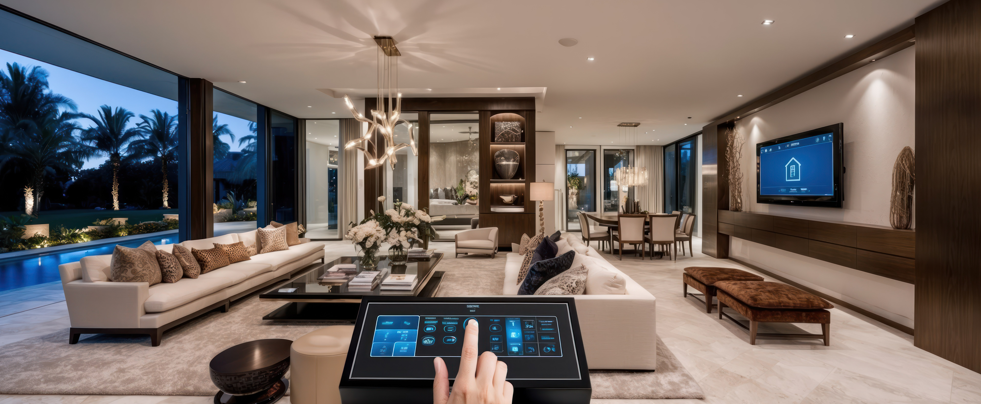
Homes are built for the next fifty. As lifestyles evolve, cities grow denser, and climate patterns turn more unpredictable, homeowners are rethinking what "good design" even means. It's no longer just about how a space looks today, but how well it performs tomorrow, through extreme heat, sudden storms, changing technology, and shifting tastes.
This shift has given rise to a new architectural mindset: build resilient, build efficient, build for change. Homes are opening up, indoors flowing into outdoors, walls giving way to glass, and every material chosen not just for beauty but for how long it lasts and how little it demands in return.
Few elements capture this shift as clearly as the modern window. Once a purely functional opening, it's now a load-bearing design statement; aluminium windows have emerged as the defining element of future-proof living. By bridging the gap between engineering resilience and delicate visual design, they encapsulate the core tenets of modern construction.
The Rise of Minimalism and Ultra-Slim Profiles
The design language of the future favors clean lines, unobstructed sightlines, and maximum transparency. Bulky timber and thick plastic frames are rapidly being replaced by ultra-slim profiles that blur the boundary between the interior and the exterior.
Because of its exceptionally high strength-to-weight ratio, aluminium windows can support massive, floor-to-ceiling glass panes without requiring intrusive support structures. This capability allows natural sunlight to flood living spaces, visually expanding compact urban footprints and creating an airy, open-plan atmosphere. Whether used in expansive sliding configurations or fixed panoramic corner installations, these minimalist frames offer timeless appeal.
Adapting to Regional Landscapes: Window Design India
Designing a home in the subcontinent requires balancing extreme seasonal variances from scorching summer heatwaves and intense monsoons to heavy urban dust and noise pollution. Consequently, window design India trends have pivoted heavily toward performance-driven engineering.
- Monsoon and Dust Mitigation: Modern systems incorporate advanced multi-track mechanisms and specialized sealing technologies (such as WiWA-certified wind, water, and air resistance) to ensure that torrential rains and dust storms stay securely outside.
- Optimized Ventilation: Homeowners are increasingly blending sliding, casement, and tilt-and-turn styles to optimize cross-ventilation, keeping indoor spaces naturally cool and decreasing reliance on mechanical air conditioning.
Climate Resilience and Energy Efficiency
Future-proof architecture must be sustainable, energy-efficient, and capable of withstanding shifting climate patterns. Traditional metal frames historically suffered from high thermal conductivity, but modern engineering has completely altered this narrative.
Advanced framing systems now feature thermal break barriers placed between the interior and exterior aluminium profiles that drastically restrict heat transfer. Combined with double- or triple-glazed glass panels and Low-E coatings, these setups insulate homes against thermal swings. This significantly lowers energy loads for heating and cooling, ensuring that homes remain environmentally responsible and cost-effective over their lifecycle.
Smart Technology and Enhanced Security
As smart home ecosystems become standard, building components are expected to integrate digital automation seamlessly.
- Automated Fenestration: Future-ready glass systems feature motorized actuators linked to home automation hubs. These can be programmed to open or close based on indoor air quality, time of day, or weather sensor triggers (such as closing automatically at the first drop of rain).
- Robust Security: Homeowners no longer need to sacrifice style for safety. Modern slim profiles incorporate concealed multi-point locking systems and laminated safety glass, offering elite security without compromising the clean, floating aesthetic of the glass.
Customization and Aesthetic Versatility
Gone are the days when metal frames were restricted to industrial silver or grey. Thanks to advanced powder-coating and anodization techniques, today's finishes span a vast spectrum. Homeowners can select matte blacks for striking industrial aesthetics, deep earthy tones, or realistic wood-effect textures that provide organic warmth without the intensive upkeep associated with actual timber. Furthermore, the innate flexibility of the material supports geometric custom shapes, including arched, triangular, or asymmetrical layouts, empowering architects to realize unique structural visions.
Conclusion
Future-proofing a home requires a deliberate synthesis of durability, environmental consciousness, and aesthetic fluidity. By integrating high-performance aluminium windows, homeowners invest in a sustainable, low-maintenance material that gracefully withstands environmental elements while elevating architectural elegance. Embracing these forward-thinking design principles ensures that living spaces remain safe, beautiful, and deeply connected to the natural world for decades to come.