
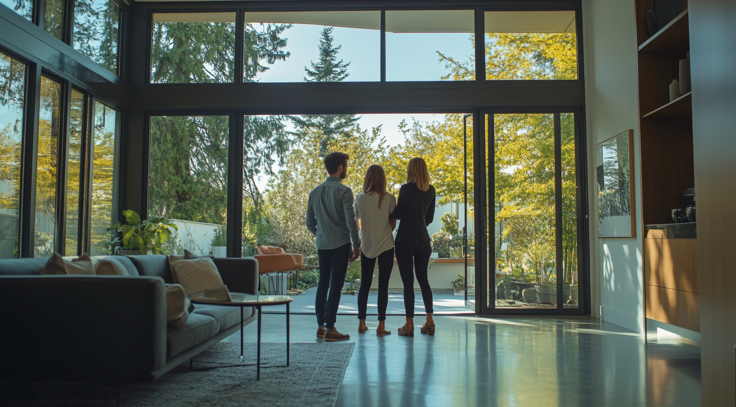
A three-year-old chasing sunlight across the living room floor. A grandparent settling into a favourite chair by the window. A parent, headphones on, taking a work call in the next room without hearing either of them. Three completely different needs, met by the same four walls this is the quiet challenge of multi-generational living.
More families are choosing to bring grandparents, parents, and children back under one roof, drawn by the closeness, the shared support, and the sense of home that comes with it. But designing for three generations at once isn't just about adding bedrooms. It's about making one house work for very different bodies, routines, and rhythms, often at the same time, in the same space.
Most conversations about multi-gen design start with layouts, flooring, or furniture. Few start with windows and doors, and yet these are the elements quietly shaping daily life the most. They decide how much light reaches a senior's favourite reading corner, how safely a toddler can play near a door, and how much peace a working parent gets behind a closed one. Get the fenestration right, and the whole home breathes easier for everyone in it, at every age.
Understanding the Unique Needs Across Generations
To future-proof a multi-generational home, architects must evaluate how each age group interacts with their living environment:
- Seniors (Aging in Place): Grandparents require living spaces with abundant natural light (crucial for maintaining circadian rhythms and reducing depression), low physical barriers, and effortless operability. Heavy doors or hard-to-reach window cranks pose physical safety risks.
- Children and Toddlers: Safety is paramount. Homes need secure locking mechanisms, fall-prevention features, pinch-free operations, and durable materials that withstand daily wear and tear.
- Working Adults: Acoustic insulation is vital. With adults working remotely or seeking quiet spaces to unwind, soundproofing against street noise and inter-room chatter is essential for a peaceful household.
The Advantage of Modern uPVC Fenestration
Meeting these diverse, often conflicting requirements demands high-performance building materials. This is why uPVC windows and doors have become the material of choice for multi-generational and universal design projects.
Unplasticized polyvinyl chloride offers a unique combination of structural reliability, thermal efficiency, and ergonomic versatility. Unlike traditional timber, which can warp or jam with humidity changes, or heavy metals that require physical strength to operate, uPVC systems are engineered for smooth, lightweight functionality and long-term durability.
Key Design Strategies for Multi-Generation Living
1. Ergonomic Operability and Accessibility
For seniors and children alike, operating heavy fenestration can be a daily struggle. Modern uPVC windows and doors solve this through advanced engineering:
- Low-Threshold Doors: Sliding or lift-and-slide doors can be installed with flush, zero-threshold tracks. This eliminates tripping hazards for toddlers running through the house and provides a seamless, wheelchair- and walker-accessible transition between indoor living areas and the patio.
- User-Friendly Hardware: Tilt-and-turn windows allow seniors to ventilate a room safely from the top tilt position without needing to push open heavy glass sashes, minimizing physical strain.
2. Enhanced Thermal Comfort and Health
As people age, their bodies become more sensitive to temperature fluctuations. Drafty rooms can exacerbate joint pain in seniors, while stuffy environments can trigger respiratory issues.
- Superior Insulation: Multi-chambered uPVC windows and doors feature exceptional thermal insulation properties. They prevent drafts and maintain stable indoor temperatures year-round, reducing reliance on HVAC systems and lowering energy bills.
- Double and Triple Glazing: Advanced glass configurations block harmful UV rays while retaining interior warmth during winters and keeping spaces cool during summers.
3. Acoustic Privacy and Peace
A bustling multi-generational home is rarely quiet. Balancing active play areas with quiet reading nooks or senior bedrooms requires strategic sound dampening.
- High-density uPVC frames combined with acoustic-laminated glass significantly cut down exterior and inter-room noise. This creates tranquil sanctuary spaces where grandparents can rest undisturbed, even while grandchildren play in the adjacent garden.
4. Safety and Security First
Peace of mind is priceless when designing for a vulnerable household. Modern fenestration systems integrate multiple safety layers:
- Multi-Point Locking: Robust locking mechanisms provide top-tier security against intruders.
- Child-Lock Restrictors: Windows can be fitted with restrictors that allow fresh air to enter while preventing children from opening them wide enough to cause falls.
- Impact Resistance: Toughened safety glass ensures that accidental impacts from toys or falls do not result in dangerous shattering.
Conclusion
Designing a multi-generational home is an exercise in empathy and foresight. Window Magic offers high-performance windows and doors, including advanced aluminium and uPVC windows and doors, helping homeowners create an inclusive sanctuary. These systems bridge generational gaps, offering safety and ease of use for seniors, security for children, and peace and energy efficiency for the entire family, ensuring the home remains a comfortable, harmonious haven for decades to come.