
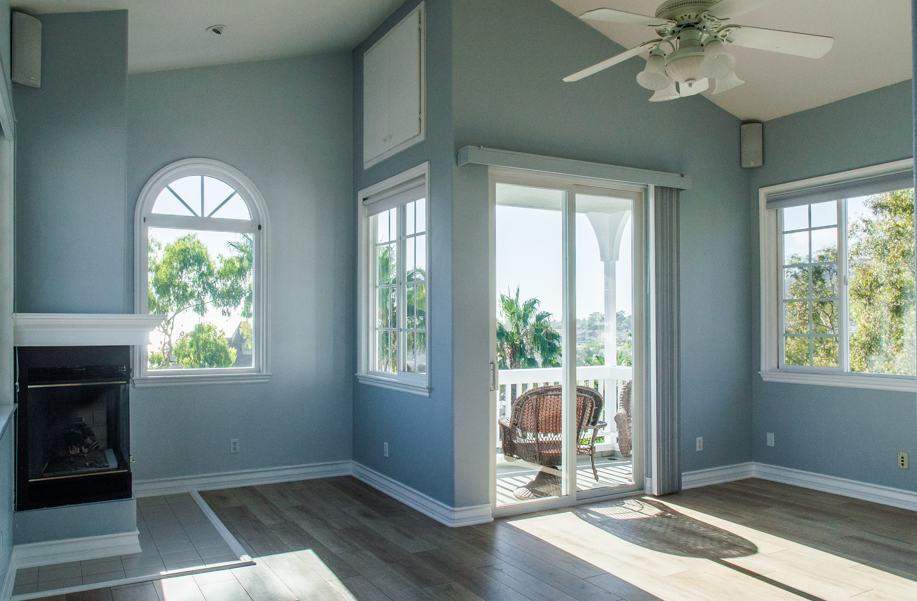
Direction is not one of the major consideration points while selecting a home. It should be. And at the end of this piece, you will know why.
It decides what kind of sunlight enters. It affects heat, glare, ventilation and the amount of artificial lighting a home needs. It also shapes where furniture can be placed and which rooms feel comfortable at different times of the day.
For window design in India, orientation matters even more. Homes need to respond to strong summer heat, monsoon rain, changing winter sun and dense urban surroundings.
There is no universal window size for every façade. But knowing how each direction behaves helps homeowners make better decisions.
First, Read the Plot
Before thinking about north, south, east or west, study the full site.
Check the road direction. Look at neighbouring buildings. Notice where trees provide shade. Find out which side gets hot in the afternoon. Observe where breezes come from. Understand which views deserve a large opening.
A west-facing plot may still have a beautiful garden on the west. A north-facing home may have a neighbouring building very close by. Site conditions can change the design.
Orientation is the starting point. It is not the only rule.
Windows on the north and south sides often provide more manageable daylight, while east and west façades receive lower-angle sunlight that needs careful control.
North-Facing Windows
In India, north-facing windows can provide soft and relatively even daylight. They are often useful for studies, living rooms, workspaces and areas where glare needs to be controlled.
North light is calmer. It does not usually create the sharp, direct sun patches associated with east or west openings. This makes it useful near desks, mirrors, artwork and television zones.
A north-facing fixed window can frame a garden, sky or side landscape while keeping the room bright. It can also work well in a staircase or passage.
However, do not make north-facing windows large without considering privacy and ventilation. In a tightly built neighbourhood, the north side may face another home. Use high-level openings, frosted glass or screens where necessary.
South-Facing Windows
South-facing openings receive a long duration of sunlight. In winter, they can bring useful warmth and daylight. In summer, they need proper shading.
The advantage of south-facing windows is that the sun path is easier to manage. Horizontal overhangs, chajjas and balconies can block the high summer sun while allowing lower winter sunlight to enter.
This makes south-facing windows suitable for living rooms, dining rooms and family spaces. A well-shaded south-facing opening can remain bright without making the room uncomfortable.
Use a deep overhang, pergola or balcony slab. Choose glass based on the amount of exposure. Add curtains or blinds for seasonal flexibility.
The U.S. Department of Energy identifies orientation, shading and glazing selection as important design measures for minimising solar gain during cooling periods.
East-Facing Windows
East-facing windows bring morning light.
This is usually softer than west-facing sunlight. It can work beautifully in bedrooms, kitchens, breakfast corners and prayer areas. The early sun can make a room feel fresh and active.
In a bedroom, an east-facing window can be a pleasure for people who like to wake with daylight. For those who prefer a darker room, use blinds or blackout curtains.
East-facing windows still need some control. Low-angle morning sun can create glare, particularly in studies or rooms with screens. Vertical fins, curtains, blinds or trees can help soften the light.
The key is to use east light where it supports the daily routine.
West-Facing Windows
West-facing windows need the most attention.
They receive afternoon and evening sun, which is often the hottest part of the day. This can make rooms uncomfortable and raise cooling demand. The sun comes in at a low angle, so a simple horizontal chajja may not be enough.
West-facing openings should be smaller where possible. When a larger opening is needed, use strong shading.
Vertical fins work well. External louvers can help. A deep balcony, trees, landscaping or a perforated screen can create another layer of protection. Solar-control glass can reduce heat and glare.
A west-facing room should not be abandoned. It simply needs a more robust design.
A dining room facing a west garden can still use a large window. Just make the shade part of the architecture. A pergola, screen or planted edge can turn a difficult façade into a beautiful evening space.
A Simple Direction Guide
| Direction | Light quality | Suitable spaces | Design response |
| North | Soft, even daylight | Study, living room, staircase | Use clear glass where privacy allows; add operable sections for airflow |
| South | Long-duration sun, useful in winter | Living room, dining room, family area | Use horizontal overhangs, balconies, solar-control glass and curtains |
| East | Gentle morning sun | Bedroom, kitchen, breakfast corner | Control low-angle glare with blinds, fins or planting |
| West | Strong afternoon heat and glare | Rooms with a good evening view | Limit glazing where possible; use vertical shading, screens and suitable glass |
This guide should be adjusted for the local climate, surrounding buildings and the actual path of sunlight on the site.
Position Windows for Airflow
Sunlight is only one part of window placement. Airflow matters too.
To encourage cross-ventilation, place operable windows on opposite or adjacent walls. Air enters from one opening and exits through another. This helps remove warm air and brings in fresh air.
The openings do not have to be identical. A larger inlet can be placed on the breezier side. A high-level outlet can help warm air escape.
This is useful in living rooms, bedrooms and family spaces. It can reduce dependence on mechanical cooling during more comfortable weather.
For homes in noisy or dusty areas, use controlled opening positions, insect screens and good seals. The goal is to make natural ventilation practical, not just theoretical.
Select Windows by Function
A home needs more than one kind of window.
A fixed window is best for an uninterrupted view or daylight. A casement window is useful for larger openable area and ventilation. A sliding window is practical where space is limited. A tall narrow window can bring in light without exposing a full wall.
The most effective rooms often use a combination.
A living room may have a large fixed glass panel facing a garden, along with side-opening aluminium windows for airflow. A bedroom may use a private high-level window and a smaller operable one. A kitchen may use a sliding window above the counter and an exhaust opening on another wall.
The window type should serve the direction, room and lifestyle.
Plan Shade Before Construction
Shading should not be an afterthought.
A chajja, balcony slab, jaali screen or external fin must be planned with the façade. Adding a temporary awning later rarely gives the same result.
The shade should match the direction of the sun. Horizontal shading is useful where the sun is high. Vertical shading helps with low morning or evening sun. Trees can also be a powerful long-term solution.
Think of shading as part of the home’s character. It can create shadow patterns, improve privacy and make the elevation more interesting.
Window Magic can support homeowners with aluminium windows and doors designed around room use, façade orientation and the desired level of daylight. The right placement helps a home stay bright without becoming hot, private without becoming dark, and open without losing comfort.