
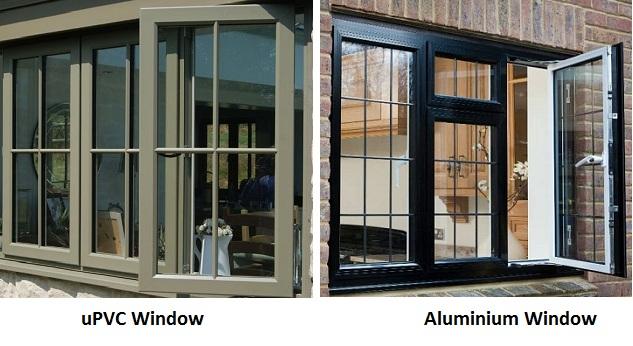
The uPVC versus aluminium debate is one of the most common questions Indian homeowners and architects face when planning fenestration. Both materials have genuine strengths. The right choice depends on the specific application, climate, budget, and design intent. This guide gives you an honest, detailed comparison.
Material Characteristics
Aluminium is a metal alloy — lightweight, strong, and infinitely recyclable. It can be extruded into very thin, complex profiles, enabling slim sight lines and narrow frames that maximise glass area. Aluminium does conduct heat, which means standard (non-thermally broken) aluminium frames can act as thermal bridges.
uPVC is a rigid plastic material reinforced with galvanised steel. It is a poor conductor of heat, making it inherently thermally efficient without additional treatment. It doesn't corrode or require painting. However, it cannot be extruded as thinly as aluminium, so profiles tend to be bulkier.
Thermal Performance
| Factor | uPVC | Aluminium (Standard) | Aluminium (Thermal Break) |
| Frame conductivity | Very low | High | Low |
| AC energy savings | Significant | Minimal | Significant |
| Performance in hot climate | Excellent | Poor without thermal break | Good |
Verdict: For air-conditioned spaces in Indian homes without thermal break aluminium, uPVC wins on thermal performance. With thermally broken aluminium, performance is comparable.
Acoustic Performance
Both materials can achieve excellent acoustic performance — but the key variable is the glass specification and frame seal quality, not the frame material itself.
uPVC casement windows with multipoint locking and acoustic IGU provide very effective noise reduction. Aluminium casements with the same glass and seal quality match this performance. The material difference in acoustics is minimal when sealing is done properly.
Verdict: Tie — both perform equally well when correctly specified with acoustic glazing and quality seals.
Durability in Indian Climate Conditions
Coastal locations: uPVC outperforms standard aluminium in salt-air coastal environments since it is completely corrosion-immune. Anodised aluminium is also salt-resistant, but powder coat aluminium can degrade faster in high salt exposure.
High-heat locations: uPVC can soften slightly at extreme temperatures (above 60°C surface temperature). In locations where windows receive direct harsh summer sun, this can cause slight sagging in large unsupported spans. Aluminium does not have this limitation.
Monsoon and humidity: Both materials handle moisture well. uPVC is marginally better in extremely high-humidity environments (coastal Kerala, northeast India).
UV exposure: Modern uPVC uses UV-stabilised compounds that resist discolouration for 15–20 years. Powder-coated aluminium also resists UV well, but colour fading over time is more noticeable in both.
Design and Aesthetics
This is where aluminium has a clear edge.
- Aluminium can be extruded into very slim profiles — as narrow as 25mm visible sight lines — while uPVC profiles typically show 60mm–80mm of frame
- Aluminium can be powder-coated in any RAL colour, enabling exact facade colour matching
- uPVC is available in white, grey, and foil laminates (woodgrain, anthracite grey) — limited customisation
- For modern, minimalist architecture with maximum glass area, aluminium is the dominant choice
- For traditional, heritage, or budget-conscious residential projects, uPVC fits well
Cost
uPVC windows are generally 15–25% less expensive than equivalent aluminium windows of the same size and glass specification. However, for large openings and luxury installations, this gap narrows — and thermally broken aluminium systems are competitive in price with premium uPVC.
Long-term cost: Both materials are low maintenance. uPVC never needs painting. Aluminium may need hardware replacement after 10–15 years of heavy use. Lifecycle costs are broadly similar.
When to Choose Each
Choose uPVC when:
- Budget is a primary consideration
- Coastal or high-humidity location
- Thermal performance is critical and thermally broken aluminium is not in budget
- Traditional or woodgrain aesthetic is desired
Choose Aluminium when:
- Slim, modern aesthetics are required
- Large openings (bi-fold, lift-and-slide) where structural rigidity matters
- Custom RAL colours are specified
- Commercial or high-traffic applications
Both aluminium and uPVC have a strong place in Indian fenestration. The best projects often use both — aluminium for the facade windows and main entrance, uPVC for interior partition systems or bathrooms. Window Magic stocks and installs both systems, helping you choose the right material for every opening in your project.