
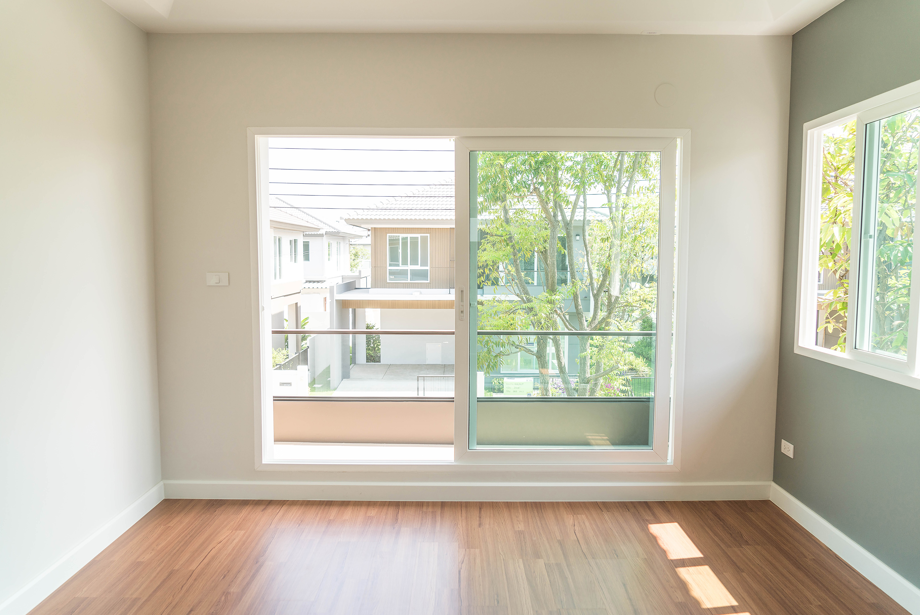
Natural light changes more than the brightness of a room. It influences mood, alertness, sleep patterns, comfort and the way people judge the size of a space. Research on residential interiors has found that homes with more effective natural light are associated with higher perceived happiness and lower perceived sadness.
For Indian homes, the aim is not to fill every wall with glass. It is to bring in the right amount of daylight, at the right time, without creating glare, heat or a loss of privacy. Good window design for Indian homes balances daylight with shade, ventilation and practical daily use.
Light Shapes Daily Rhythm
Light has a significant scientific role to play in our daily physiological habits. Morning daylight helps signal that it is time to be awake. Light exposure during the day is also connected to the body’s circadian rhythm, which influences sleep-wake patterns, alertness and other physiological functions.
A dark bedroom in the morning can make it harder to feel alert. A naturally lit kitchen can feel more energising at the start of the day. A bright study may feel easier to work in than a dim room with only artificial lighting.
This is why window placement matters.
Bedrooms can benefit from controlled morning light. Living rooms can use softer daylight through the day. Workspaces should receive light from the side, rather than directly behind a screen or straight in front of it.
A home should respond to the natural rhythm of the day.
Daylight Affects Mood
People are naturally drawn to bright, airy spaces. They often describe them as calm, positive and welcoming.
Research has shown that the amount of natural light entering a home has a significant effect on how residents perceive happiness and sadness. Larger windows and more daylight were associated with stronger positive emotional responses in the study.
This does not mean every room needs floor-to-ceiling glazing.
A small room can feel cheerful with a well-placed window, light-coloured walls and a view of greenery. A narrow corridor can feel less enclosed with a high fixed window. A stairwell can become a pleasant part of the home when daylight enters from above or from the side.
Natural light creates small moments of comfort. Sunlight on a dining table. A soft glow in a hallway. A view of rain through a window. These details make a house feel lived in.
More Light, Less Harshness
It’s often said that daylight makes a room feel open. It’s actually true! Glare makes it difficult to relax, read, work or watch television. Direct afternoon sunlight can be especially uncomfortable in many Indian cities.
The best window design for Indian homes uses light carefully.
North-facing windows often provide softer daylight. East-facing windows bring pleasant morning sun. West-facing openings need additional protection because they receive strong afternoon heat. South-facing windows can work well when they are shaded with overhangs, balconies or louvers.
Large aluminium windows can create a bright and premium feel. But they should be paired with the right glass and shading. Solar-control glass, external screens, curtains, blinds and landscaping can make a major difference.
A good home is not bright all the time. It gives residents control.
The View Matters Too
Natural light is powerful. A view makes it even better.
A window looking towards trees, a courtyard, the sky or a balcony can make a room feel calmer. It creates a visual pause from screens, walls and everyday clutter.
This is one reason large windows make homes feel more spacious. They extend the visual boundary of the room. The eye travels beyond the wall.
A fixed window can work beautifully for this. It creates a clear, picture-like view without visible handles or opening shutters. It is ideal in living rooms, staircases and double-height spaces.
Pair the fixed window with operable aluminium windows nearby. This gives the home both a wide view and the ability to bring in fresh air.
Plan Windows for Each Room
Each room needs a different kind of daylight.
| Room | Best natural-light approach | Important consideration |
| Living room | Large windows, corner glazing or a fixed window with an outdoor view | Add shading to control heat and glare |
| Bedroom | Controlled east or north light, with curtains for sleep | Balance daylight with privacy |
| Kitchen | Operable window near the work zone | Ensure ventilation and easy cleaning |
| Study | Side daylight from a window | Avoid reflections on screens |
| Bathroom | High-level frosted window | Bring in light without compromising privacy |
| Staircase | Tall fixed window or vertical glazing | Use daylight to make a functional area feel special |
This is where aluminium windows are useful. They can be designed in fixed, sliding, casement and combination formats. They can also support larger glass panels with slim frame lines.
Light Can Change Space
A bright room often feels bigger than a dark room of the same size.
Light reveals the edges and depth of an interior. It makes colours look clearer. It brings texture out in stone, wood, fabric and paint. It can make a low ceiling feel less heavy.
Light-coloured walls also help. They reflect daylight deeper into the room. Matte finishes reduce unwanted reflections. Mirrors can be used carefully to bounce light into darker corners.
The quality of light also changes through the day. Morning light may feel fresh and soft. Afternoon light may be warmer. Evening light may create a calm, golden mood.
This changing quality is what makes a naturally lit home feel alive.
Do Not Forget Ventilation
Windows should not only bring in light. They should also help the home breathe.
An operable window allows fresh air to enter. When windows are placed on opposite or adjacent walls, they can encourage cross-ventilation. This is useful in Indian homes during milder months and in spaces that need to release heat and moisture.
A fixed window provides a clear view and more glass area. An operable window provides airflow. The best design often combines both.
For example, a living room may use a large fixed centre panel facing the garden, with smaller opening shutters on the sides. The result looks clean and allows practical ventilation.
Natural Light Needs Control
Natural light should support comfort.
Too much sunlight can fade furniture, heat up rooms and create glare. Too little makes spaces feel dull and closed. The answer lies in planning the window, glass and shading as one system.
Use sheer curtains for diffused daylight. Use blackout curtains in bedrooms. Add external fins on exposed façades. Consider trees or pergolas outside large openings. Choose glass based on the direction of the façade.
Window Magic offers aluminium windows that can be tailored to different rooms, views and daylight needs. A well-planned window does not simply make a home brighter. It can make everyday life feel calmer, more focused and more connected to the outdoors.