
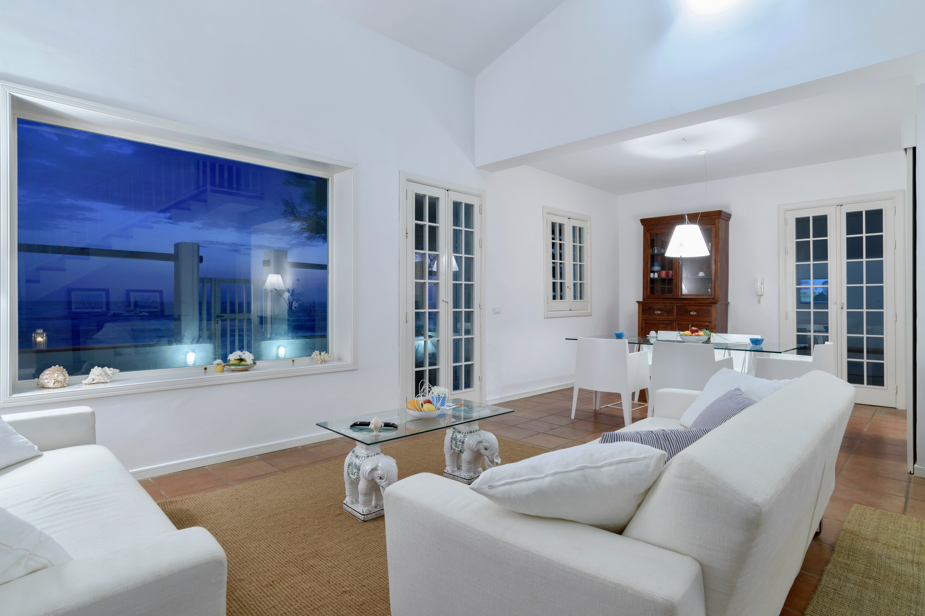
An expensive-looking home is rarely created by one large purchase. It comes from proportion, restraint, materials, lighting and consistent design decisions.
Modern homes look premium when every visible element feels intentional. The front door, windows, wall finishes, lighting, furniture and landscape should appear connected. Even modest spaces can look refined when the design is clean and well coordinated.
Start With Strong Proportions
Proportion is one of the biggest differences between an ordinary façade and a polished one.
A modern home often uses fewer elements. But those elements are larger and better aligned. Windows sit on a common line. Door heights relate to ceiling heights. Cladding panels are planned around the elevation. Outdoor lights are positioned with purpose.
Random openings can make a house look unfinished. A carefully composed façade feels calmer.
For example, instead of using three small windows at different heights, a designer may use one wide opening with clean aluminium frames. The result is simpler. It also creates a stronger visual statement.
The premium look often comes from what has been removed.
Choose a Statement Entrance
The front entrance sets the first impression.
Aluminium front doors are increasingly used in modern homes because they can offer a strong, clean-lined appearance. They can be designed with glazed panels, textured finishes, wood-look surfaces or minimal hardware.
A good entrance door should feel substantial. It should match the scale of the façade. A very small door on a tall elevation can look weak. A taller door with a carefully selected handle can make the entrance feel more considered.
The entry should also have layers.
A pathway. Soft landscape. Exterior lighting. A canopy or recess. A clear house number. These simple details make the arrival experience feel more refined.
Avoid adding too many finishes around the door. One strong door, one good wall texture and warm lighting are often enough.
Use Larger, Better Windows
Windows can make or break a modern façade.
Small windows with thick frames can make a new home look dated. Larger openings with slim aluminium windows create a cleaner and more contemporary look. They allow more daylight and give the façade a stronger rhythm.
Modern window design often follows three visual principles:
- More glass
- Less visible frame
- Clear alignment across the façade
Slim frames in black, charcoal, bronze or neutral tones can create a sharp architectural effect. Full-height windows can make interiors feel taller. Wide sliding doors can connect living spaces with a terrace or garden.
The idea is not to use glass everywhere. It is to place it with confidence.
Add Corner Window Drama
A corner window can become the signature feature of a modern home.
Unlike a standard window, it wraps around the edge of a room. It brings in light from two directions and opens up a broader view. It can make a living room, bedroom or study feel more spacious.
Corner glazing is especially striking when used at the end of a corridor, beside a dining area or facing a landscaped garden. It removes the visual heaviness of a solid corner.
For a cleaner look, use a minimal aluminium frame. Glass-to-glass corner designs can look dramatic, but they require proper structural design, correct glass selection and high-quality waterproofing.
A corner window should be used where it has a purpose. It should frame a view, bring in daylight or define a special room. It should not be added only because it is fashionable.
Use French Windows for Warmth
Modern design does not have to feel cold.
French window designs bring softness and character to a contemporary home. Their tall proportions add elegance. Their glazed shutters allow light to enter while creating a direct connection with a balcony, verandah or garden.
French windows work especially well in bedrooms, reading corners, family rooms and homes with classical or warm-modern architecture. They can be designed with slim aluminium profiles for a more contemporary finish.
A black frame can create contrast against white walls. A wood-finish aluminium frame can add warmth. A muted grey frame can blend quietly into a minimal interior.
French windows also make a room feel more valuable because they create an experience. Opening the shutters in the morning, stepping onto a balcony or looking out at a garden adds a sense of comfort that no decorative object can replace.
Keep the Material Palette Simple
Premium homes usually use a limited palette.
Too many colours, stone types, tiles and textures can make a house look busy. A refined home may use only three or four major finishes.
For example:
- Warm white exterior walls
- Natural stone or textured concrete
- Dark aluminium windows
- Timber or wood-look detail
This combination can look far more expensive than a façade with multiple unrelated finishes.
The same principle applies inside. Choose one flooring family. Repeat the metal finish in handles, lights and fittings. Use similar wood tones across furniture and doors.
Consistency creates a sense of quality.
Invest in Details People Touch
Luxury is often felt before it is seen.
A smooth sliding door. A solid front-door handle. A quiet window lock. A clean shadow gap between wall and ceiling. A well-finished corner.
These details influence how people experience a home.
Cheap hardware can make even a beautiful door feel ordinary. Poor window installation can create rattling shutters, water seepage and uneven gaps. In contrast, good fittings and clean installation make a home feel more complete.
When selecting aluminium windows and doors, check the handle, lock, rollers, tracks, sealing and drainage system. Open and close the unit at the showroom. Do not judge only by photographs.
Use Lighting With Restraint
Lighting can make a home look premium at night.
Avoid placing too many spotlights across the façade. Instead, highlight one or two features. Light a textured wall. Wash light across a tree. Add a warm glow near the entrance. Illuminate the pathway.
Inside, use layers of light. Combine ambient lighting, task lighting and accent lighting. A pendant light above a dining table can create focus. A wall light can add warmth. Concealed lighting can highlight ceiling lines.
Warm lighting generally makes homes feel more inviting. Cool white lighting can make beautiful finishes feel harsh.
The best lighting is often noticed only by the mood it creates.
Let Outdoor Areas Feel Designed
A premium home treats outdoor areas as real rooms.
A balcony should have a purpose. A terrace should have seating, shade and lighting. A garden should be visible from key indoor spaces. A small courtyard can become a strong feature when it is framed by glass.
Place furniture so it faces the view. Add plants at different heights. Use outdoor flooring that relates to the interior. Create shade with a pergola, canopy or tree cover.
When French window designs or large sliding doors open towards a thoughtfully planned outdoor area, the home immediately feels larger and more luxurious.
Avoid the Most Common Mistake
The biggest mistake is trying too hard.
Too much cladding. Too many lights. Too many decorative panels. Oversized logos. Heavy grills. Random colours. Excessive shine.
Modern luxury comes from editing.
Choose fewer materials. Use better proportions. Invest in one or two defining features. A statement aluminium front door, a well-framed corner window and elegant French windows can do more for a façade than ten decorative additions.
Window Magic offers aluminium windows, French window designs and entrance door solutions that can support a clean, coordinated home design. A modern home looks expensive when every choice feels deliberate, comfortable and built to last.