
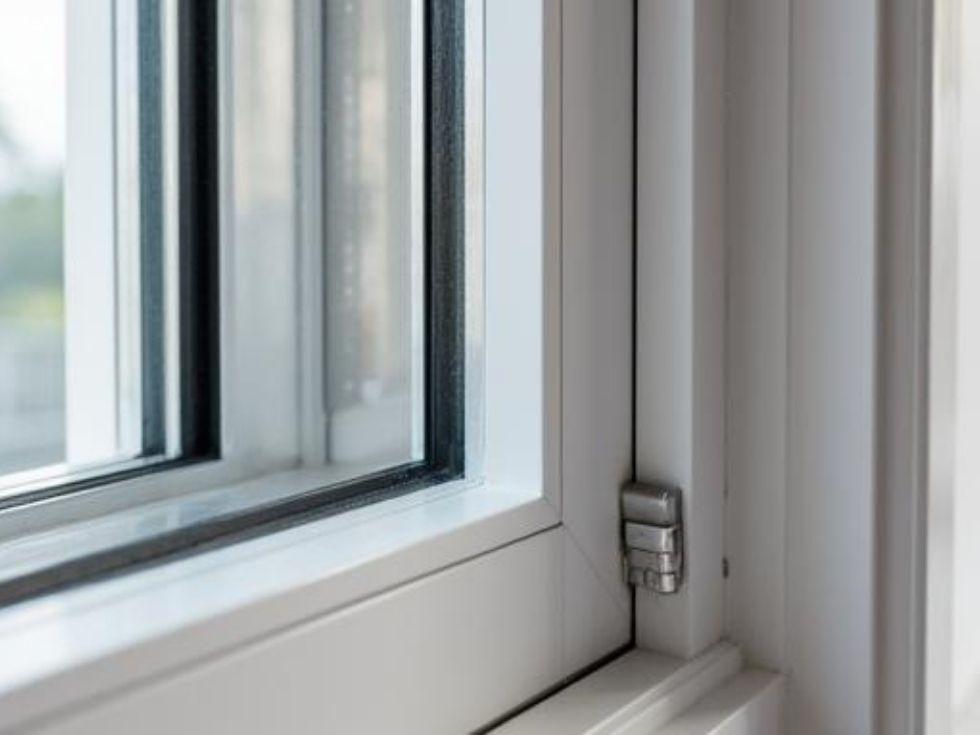
If you've ever looked at an aluminium window and wondered what all the individual components are called — and more importantly, what they do — this guide is for you. Understanding the anatomy of an aluminium window helps you ask the right questions when buying, assess quality accurately, and make sure the installation is done correctly.
The Four Core Components
1. The Frame
The frame is the outermost structural element of the window. It sits within the wall opening and is fixed permanently to the building structure. Think of it as the shell or border into which everything else fits.
An aluminium window frame consists of three parts:
- Head: The horizontal member at the top
- Sill: The horizontal member at the bottom, which protrudes slightly inward and acts as a water drainage point
- Jambs: The two vertical side members
The frame must be perfectly plumb and level during installation. Any misalignment here causes operational problems — stiff opening, poor sealing, or water ingress — that are difficult to fix later.
Frame depth matters too. Deeper frames (deeper wall thickness) require wider frame profiles. Ensure your window supplier knows the exact wall thickness before fabrication.
2. The Sash
The sash is the movable part of the window — the framework that holds the glass and opens or closes. It consists of:
- Rails: Horizontal sash members (top rail and bottom rail)
- Stiles: Vertical sash members (left and right)
In a sliding window, the sash slides horizontally within the frame. In a casement window, the sash is hinged and swings open. In a fixed window, there is no sash — the glass is directly glazed into the frame.
Sash profile quality directly affects the window's air and water tightness. Look for sash profiles with dedicated gasket grooves on all four sides — these hold the rubber seals that prevent leakage.
3. Glazing and Glazing Beads
Glazing refers to the glass panel itself, and the glazing bead is the trim that holds the glass securely within the sash or frame.
Glass options for Indian homes:
- Single glazed (4mm–6mm): Standard, cost-effective, adequate for most interior rooms
- Toughened / tempered glass: Mandatory for large panes, floor-to-ceiling windows, and bathrooms; shatters into small pebbles rather than dangerous shards
- Double glazed (IGU — Insulating Glass Unit): Two glass panes separated by an air or argon gas gap; significantly reduces heat transfer and noise
- Laminated glass: Two glass layers bonded by a PVB interlayer; provides security and UV filtration
- Tinted or reflective glass: Reduces solar heat gain; popular for west-facing windows in Indian homes
Glazing beads are either snap-in (for quick installation) or screw-fixed (more secure). For safety glass and double-glazed units, always use screw-fixed beads.
4. Hardware Components
Hardware is what makes the window function — and fail. Quality hardware is the most commonly compromised element in budget aluminium windows.
Key hardware elements:
- Handles: Lever or crank handles for casement windows; pull handles for sliding windows. Look for solid zinc alloy or stainless steel construction, not cheap pot metal.
- Hinges / Friction Stays: Casement windows use friction stays (also called friction hinges) that hold the sash open at any angle. These should be adjustable and rated for the sash weight.
- Locks and Espagnolettes: Multi-point espagnolette locking bars lock the sash at multiple points along its height, providing better weather sealing and security than single-point locks.
- Rollers (for sliding windows): Stainless steel or nylon-steel composite rollers for smooth, durable sliding action.
- Tracks: Two-track or three-track extruded profiles that allow one, two, or three sliding sashes to operate side by side.
- Seals and Brushes: EPDM rubber gaskets seal the perimeter between sash and frame. Brush pile seals on sliding windows manage dust infiltration — critical in Indian cities.
What Separates a Good Window from a Poor One
The difference in quality is often invisible to the untrained eye. Here's what to check:
- Profile wall thickness: Minimum 1.4mm for residential windows; 1.6mm or above for larger openings
- Corner joinery: Well-fabricated windows use crimped or mechanically joined corners, not just pop-riveted; look for clean, tight mitre joints
- Seal continuity: Seals should run continuously around the full perimeter with no gaps at corners
- Hardware brand: Ask specifically about the hardware brand used; reputed hardware significantly outlasts no-name substitutes
Understanding these components helps you evaluate quotations intelligently. When every detail — from the frame depth to the glazing bead type — is specified correctly, the result is a window that performs for decades. Window Magic builds every aluminium window with this level of component-level precision, ensuring nothing is left to chance.